

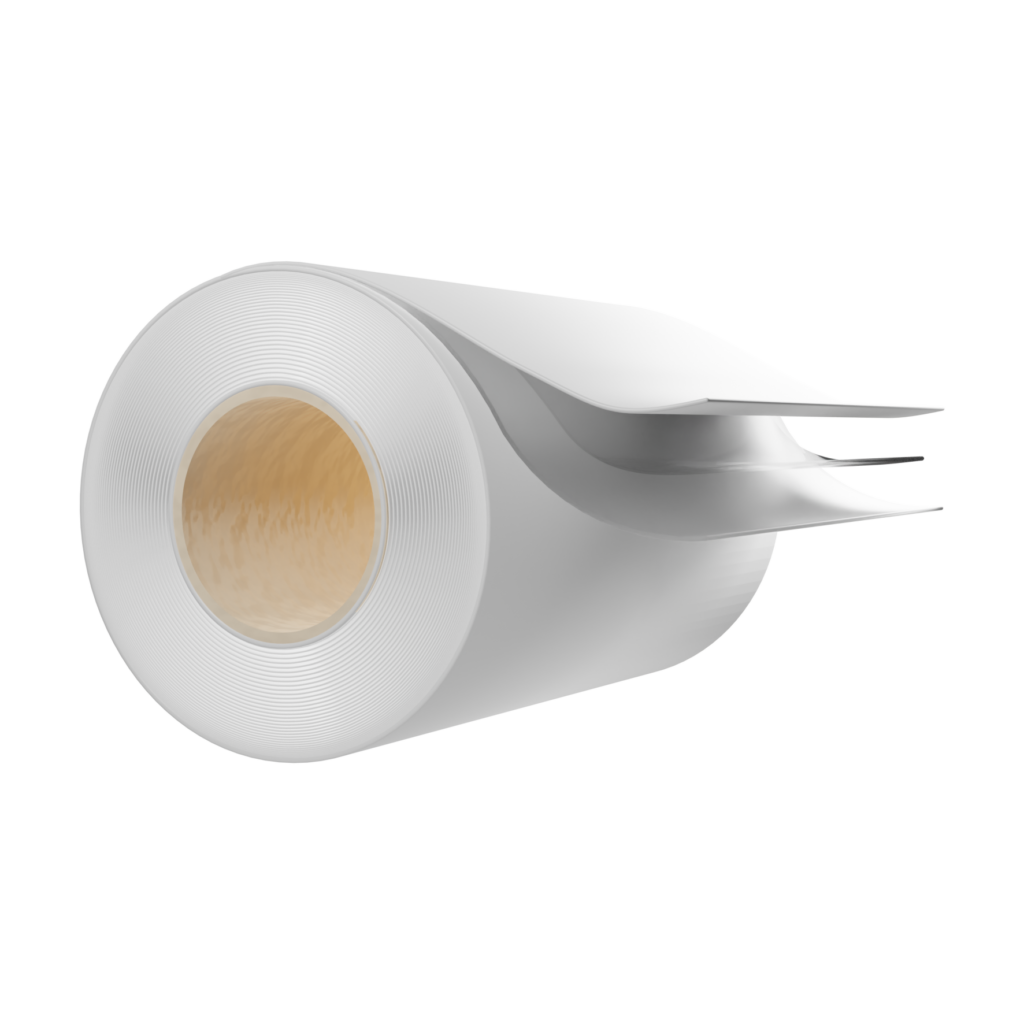
Paper tape and silk surgical tape differ primarily in their backing material and adhesion characteristics. Paper tape uses a breathable, porous paper backing that is gentle on skin and easy to tear by hand, while silk tape uses a smooth, fabric-like synthetic backing that offers stronger, more flexible adhesion. The right choice depends on the patient’s skin condition, the clinical environment, and the specific fixation task at hand. The sections below work through the key differences question by question.
What are paper tape and silk surgical tape made of?
Paper surgical tape is made from a thin, porous paper backing coated with a pressure-sensitive adhesive, typically acrylic- or zinc oxide-based. Silk surgical tape uses a woven or non-woven synthetic backing, often rayon or a rayon blend, that mimics the feel of natural silk while providing a smooth, flexible surface. Both types are designed for skin contact in clinical settings, but their material properties lead to meaningfully different performance characteristics.
The paper backing in paper tape allows air and moisture vapor to pass through, which helps reduce skin maceration under the tape. The synthetic backing in silk tape is generally less porous but more conformable, meaning it follows the contours of the skin and body more closely. The adhesive used on both types is formulated to bond to skin without causing trauma on removal, though the strength and residue left behind can vary between products and manufacturers.
Which surgical tape is better for sensitive or fragile skin?
Paper tape is generally the better choice for sensitive or fragile skin. Its lightweight paper backing and gentler adhesive create a lower-trauma bond that peels away without the aggressive pull associated with stronger tapes. This makes it a practical option for elderly patients, pediatric cases, or any situation where the skin barrier is compromised or at risk.
Silk tape, while still designed for skin contact, tends to offer a stronger adhesive hold. On fragile or thin skin, that stronger bond can increase the risk of skin stripping or irritation on removal. If silk tape is used on vulnerable skin, careful, slow removal technique becomes especially important. For product developers and procedure pack assemblers, understanding this distinction matters when specifying which tape type to include for a given clinical application.
How does adhesion strength differ between paper and silk tape?
Silk surgical tape generally provides stronger adhesion than paper tape. The smoother synthetic backing allows the adhesive layer to make more consistent contact with the skin surface, which increases the overall bond strength. Paper tape, by contrast, has a more textured backing that limits the adhesive contact area, resulting in a lighter hold that is easier to remove.
This difference in adhesion strength has direct practical implications. Silk tape is better suited to securing heavier dressings, tubing, or devices that need to stay firmly in place over time or through patient movement. Paper tape performs well for lighter fixation tasks, such as securing the edges of a dressing or holding lightweight components in position during a procedure. Neither tape type is universally stronger or weaker across all conditions; surface moisture, skin texture, and application technique all influence the final bond.
When should paper tape be used instead of silk tape?
Paper tape is the more appropriate choice when skin tolerance is the primary concern, when the fixation load is light, or when the tape needs to be repositioned or removed frequently. Its easy hand-tearability also makes it practical in environments where scissors are not always at hand.
Specific situations where paper tape is typically preferred include:
- Securing lightweight dressings or gauze on patients with sensitive or thin skin
- Labeling or marking in clinical settings where frequent repositioning is needed
- Situations where tape will be in contact with skin for a short period only
- Pediatric or geriatric patients where skin integrity is a concern
- Any application where minimizing adhesive residue on removal is important
In procedure pack design, paper tape is often included for tasks that require a gentle, low-residue option rather than a high-strength bond. Manufacturers specifying tape for single-use surgical products need to match the tape type to the actual clinical demand of the application.
What are the common clinical uses for silk surgical tape?
Silk surgical tape is commonly used to secure dressings, catheters, cannulas, and monitoring leads where a reliable, longer-lasting hold is needed. Its conformable backing allows it to follow curved body surfaces without lifting at the edges, which makes it useful in areas that experience movement or tension during patient care.
Typical clinical applications include:
- Securing intravenous lines and cannulas in place
- Holding wound dressings on areas subject to movement, such as joints or the torso
- Fixing monitoring electrodes or leads during procedures
- Providing additional reinforcement around dressing edges in high-moisture environments
Because silk tape maintains its bond more reliably under mild moisture and movement, it is often the default choice in procedural environments where the tape must stay in place for the duration of a surgical or clinical intervention. For manufacturers developing custom procedure packs, silk tape is a frequent component in configurations where dressing security is a defined performance requirement.
Can paper tape or silk tape be used under surgical drapes?
Standard paper tape and silk tape are not typically designed for use under surgical drapes as a primary adhesive interface. Surgical drapes require specialized self-adhesive components, such as incise films or purpose-built drape attachment tapes, that are formulated to maintain a sterile seal under the conditions of a surgical procedure.
That said, paper tape or silk tape may be used adjacent to or in combination with surgical drapes for secondary fixation tasks, such as securing drape edges in low-tension areas or holding ancillary components in position outside the sterile field. These are supplementary roles rather than primary drape adhesion functions.
For the adhesive interface between a drape and the patient’s skin, the relevant product category is a medical-grade self-adhesive film or construction tape specifically engineered for that purpose. These products are formulated with adhesives and backings that maintain performance in the moist, warm conditions of an operating room environment, which is a meaningfully different performance requirement from general surgical tape fixation.
How SOMED helps you source the right surgical tape for your application
Choosing between paper tape and silk tape is often straightforward once the clinical requirements are clear. But when you are developing a custom procedure pack or surgical drape product, the specification decisions go deeper: adhesive formulation, backing material, release force, moisture resistance, and regulatory compliance all need to align with the end application.
SOMED develops and manufactures self-adhesive medical tapes and films for exactly this kind of B2B requirement. Working with procedure pack assemblers, drape manufacturers, and medical product distributors, SOMED offers:
- Custom tape development tailored to specific clinical and manufacturing requirements
- In-house adhesive and backing expertise to match material properties to application demands
- Products manufactured in compliance with MDR (EU) 2017/745 and ISO 13485 standards
- CE-marked components that integrate directly into finished surgical products
- Flexible production volumes, including support for smaller runs during product development
If you are specifying adhesive tape components for a new or existing surgical product, get in touch with SOMED to discuss your requirements directly with the team.
Related Articles
- What is hypoallergenic surgical tape and when is it recommended?
- What are custom procedure packs in healthcare settings?
- When should a hospital switch to custom procedure packs?
- What are the benefits of using custom procedure packs in 2026?
- How do custom procedure packs reduce waste in operating rooms?
This content was generated with the help of AI and it may contain mistakes