

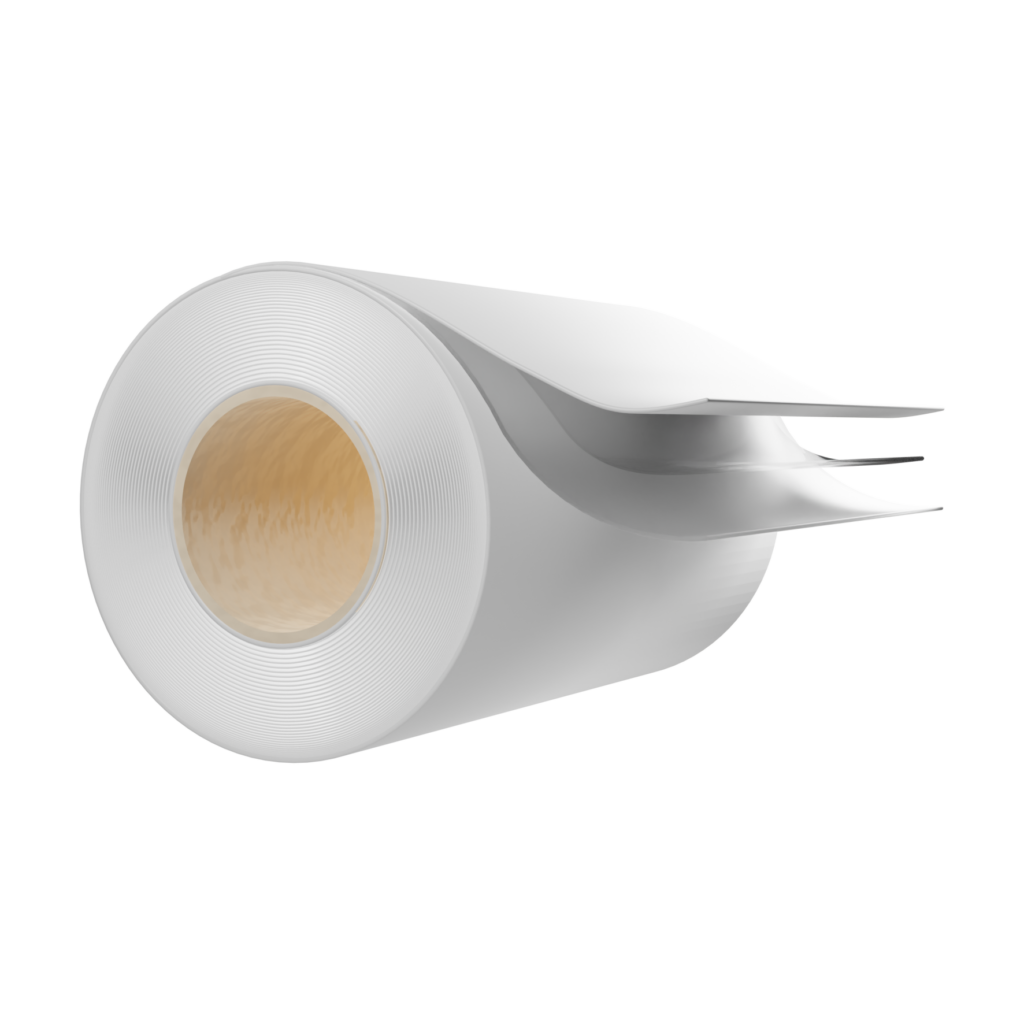
Medical staff should switch to a different surgical tape type when the current tape shows signs of adhesion failure, causes skin irritation, or no longer suits the clinical demands of the procedure. The right tape choice depends on skin condition, procedure type, and the environment inside the operating room. The questions below cover the most common decision points that guide tape selection and switching.
What are the most common signs that a surgical tape is failing?
A surgical tape is failing when it lifts at the edges, loses adhesion to the skin or drape surface, or allows fluid to pass beneath it. These signs indicate the tape can no longer maintain the sterile field or secure the drape in place, and continuing to use it introduces risk rather than protection.
In practice, the most visible indicators are:
- Edge lifting or peeling – the tape separates from the skin or substrate, often starting at corners or high-flex areas
- Fluid strikethrough – moisture, blood, or irrigation fluid migrates under the tape, breaking the sterile barrier
- Adhesive residue without hold – the adhesive transfers to the skin but no longer grips the backing material
- Visible wrinkling or bubbling – the tape shifts under tension, creating channels where contamination can travel
- Skin reaction at the tape border – redness or raised skin suggests the adhesive is reacting with the patient’s skin rather than bonding cleanly
Any one of these signs is a reason to reassess the tape being used. In many cases, the failure is not the result of a defective product but a mismatch between the tape specification and the conditions of that specific procedure or patient.
How does skin condition affect which surgical tape type to use?
Skin condition directly determines how well a surgical tape will adhere and how safely it can be removed. Fragile, oily, or compromised skin requires a tape with a gentler adhesive profile, while healthy, dry skin can typically support a stronger bond. Using the wrong tape for the patient’s skin condition risks both adhesion failure and skin damage.
Several skin factors influence the choice:
- Moisture and perspiration – excess moisture weakens standard acrylic adhesives. Tapes formulated for humid environments or with hydrophilic adhesives perform better in these conditions.
- Fragile or thin skin – elderly patients or those on long-term corticosteroids often have skin that tears easily. A low-trauma adhesive reduces the risk of skin stripping on removal.
- Oily or unprepared skin – skin that has not been properly degreased before draping will reduce adhesion regardless of tape quality. Preparation matters as much as tape selection.
- Known sensitivities – patients with latex allergies or known reactions to certain adhesive chemistries require tapes formulated without those materials.
For manufacturers of single-use surgical products, skin condition data gathered from clinical feedback can directly inform which adhesive formulation to specify for a given product line.
What’s the difference between surgical tape types used in the OR?
Surgical tapes used in the operating room differ primarily in their backing material, adhesive chemistry, and intended function. Some secure drapes to skin, others reinforce incision sites, and others hold components of a procedure pack in place. Understanding these differences helps procurement and product development teams specify the right tape for each application.
Fabric and nonwoven tapes
These tapes use a flexible, breathable backing that conforms to body contours. They are commonly used to secure drape edges and provide a stable border around the surgical field. Their flexibility makes them suitable for areas that move during a procedure, such as joints or the abdomen.
Film-based tapes and incise films
Film-based products, including incise films, use a transparent polyurethane or polyester backing. An incise film is applied directly over the prepared skin at the incision site, and the surgeon cuts through both the film and the skin. This creates a physical barrier between the incision and the surrounding skin flora. These products require a strong, consistent adhesive that maintains contact throughout the procedure without lifting.
Construction tapes and reinforcement strips
These tapes are used within the assembly of surgical drapes and procedure packs rather than directly on the patient. They bond layers of nonwoven material together, seal fenestrations, or reinforce high-stress areas of a drape. Their adhesive must bond reliably to nonwoven substrates and remain stable through sterilization processes.
When should surgical tape be changed mid-procedure?
Surgical tape should be changed mid-procedure when it no longer maintains the integrity of the sterile field. This includes visible lifting, fluid ingress beneath the tape, or any breach that allows contamination to reach the surgical site. Waiting until the end of a procedure to address tape failure is not appropriate when sterility is at stake.
Mid-procedure tape changes are disruptive and introduce their own risks, so the decision to change should be made promptly once a failure is identified rather than deferred. In some cases, the better response is to reinforce the existing tape with an additional layer rather than removing and replacing it entirely, depending on the nature and location of the failure.
For product developers, mid-procedure failures reported from the field are valuable data. They often point to a mismatch between the tape specification and the actual conditions of use, such as longer procedure times, higher irrigation volumes, or patient skin types that were not accounted for in the original product design.
Should surgical tape selection change based on procedure type?
Yes, procedure type is one of the most important factors in selecting the right surgical tape. Different procedures create different demands on adhesive performance, including exposure to fluids, duration, required flexibility, and the area of the body involved. A tape that performs well in one setting may be inadequate in another.
Key procedure-related factors include:
- Procedure duration – longer procedures require tapes with sustained adhesion. Short procedures may allow for lighter adhesive formulations that are gentler on skin.
- Fluid exposure – procedures involving significant irrigation or blood loss demand tapes with strong wet-adhesion properties.
- Body location – areas with natural movement, such as joints or the chest during breathing, require more flexible backing materials.
- Sterile field size – larger draping areas may require tapes with different width or tensile specifications to maintain coverage without bunching or lifting.
For companies assembling custom procedure packs, aligning tape specification to the target procedure is a core part of product development. A general-purpose tape rarely delivers optimal performance across all procedure types.
How do MDR compliance and CE marking affect tape switching decisions?
MDR compliance and CE marking affect tape switching decisions because any tape used in a surgical product must meet the requirements of the EU Medical Device Regulation (EU) 2017/745. Switching to a different tape type or supplier is not simply a procurement decision – it can trigger a change management process under the quality management system and may require updated documentation or re-evaluation of the finished product.
For manufacturers of surgical drapes and procedure packs, the implications are practical:
- Design change documentation – replacing a tape component with a different type may constitute a design change that requires formal review under ISO 13485.
- Biocompatibility considerations – a new tape type may introduce different materials that require biocompatibility assessment under ISO 10993 before use in a CE-marked product.
- Supplier qualification – the incoming tape supplier must meet the quality and regulatory requirements of the finished product manufacturer’s quality management system.
- Technical file updates – if the tape change affects the product’s performance characteristics or intended use, the technical file supporting the CE marking may need to be updated.
This is why many manufacturers prefer to work with tape suppliers who already operate under ISO 13485 and supply CE-marked components. It simplifies the qualification process and reduces the regulatory burden when a product change is needed.
How SOMED helps you choose and switch surgical tape types
SOMED develops and manufactures medical adhesive tapes and films specifically for surgical drapes and custom procedure packs. If you are evaluating a tape switch, whether because of adhesion performance, skin compatibility, procedure requirements, or regulatory alignment, SOMED can support that process directly.
Here is what working with SOMED looks like in practice:
- Custom adhesive formulations – SOMED develops adhesive solutions tailored to your specific application, including wet-adhesion requirements, substrate compatibility, and skin contact properties.
- MDR-compliant components – all SOMED tape products are CE marked and manufactured in accordance with ISO 13485, which simplifies integration into your existing technical file and quality system.
- Flexible volumes – SOMED works with customers across a range of production volumes, including smaller runs during product development or market introduction phases.
- On-site and co-development support – if your product requires a new tape configuration or a feature that does not exist in a standard format, SOMED can co-develop it with you.
- Product range – the SOMED range includes OP Tape, OP Film, OP Strip, OP Stretch, and construction tape, covering the main tape functions used in surgical drapes and procedure packs.
If you are working through a tape selection or considering a switch, get in touch with SOMED to discuss your requirements directly.
Related Articles
- Can medical tape cause skin reactions after surgery?
- What is the difference between paper tape and silk surgical tape?
- Should your facility be using custom procedure packs?
- How do you choose the right supplier for custom procedure packs?
- Can custom procedure packs lower costs for healthcare facilities?
This content was generated with the help of AI and it may contain mistakes