

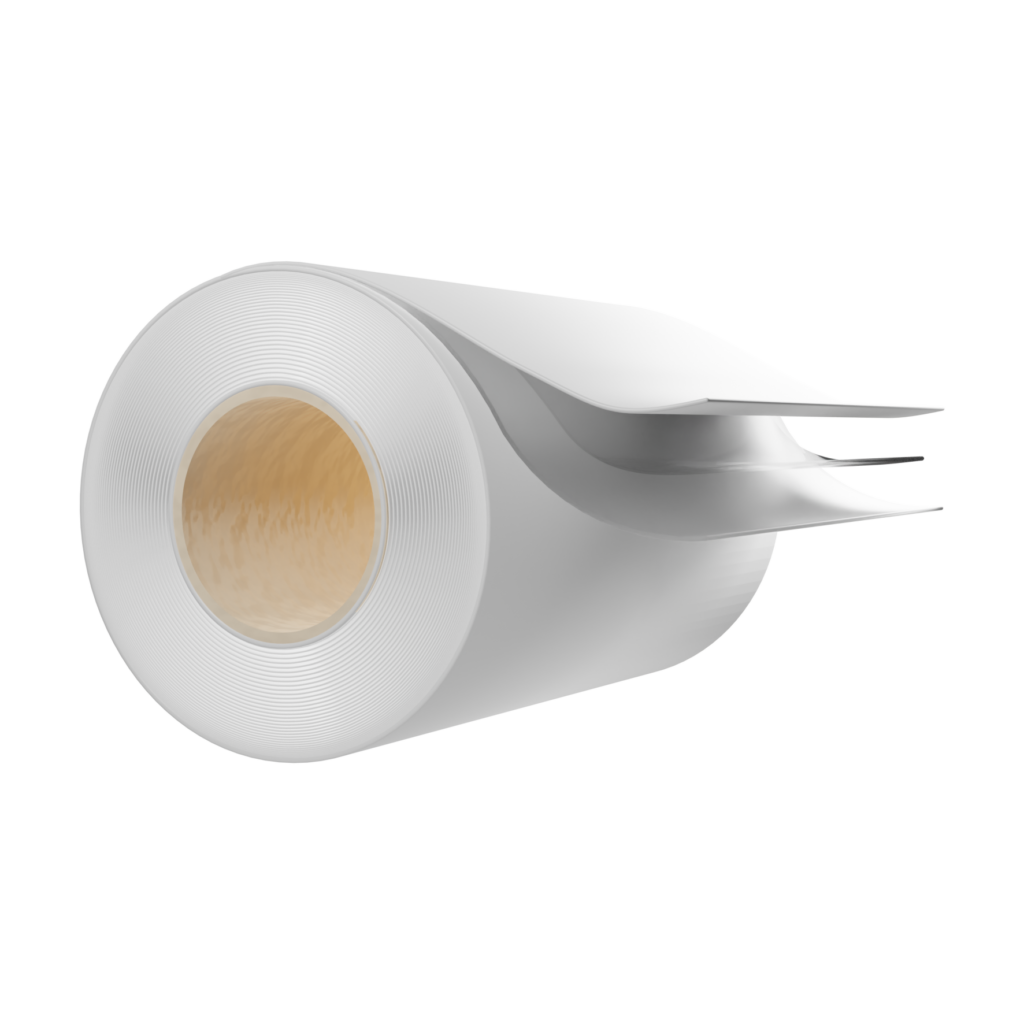
Hypoallergenic surgical tape is medical adhesive tape formulated to minimize the risk of skin reactions, making it suitable for patients with sensitive skin or known adhesive sensitivities. The term refers to both the adhesive chemistry and the backing material, both of which are selected to reduce irritation and allergic responses. This article works through the most common questions about hypoallergenic surgical tape: what it is, when it is recommended, and what to look for when specifying it.
What makes a surgical tape hypoallergenic?
A surgical tape is considered hypoallergenic when its materials, particularly the adhesive and the backing, are selected and tested to reduce the likelihood of triggering an immune or irritant response in the skin. This does not mean the tape is guaranteed to be reaction-free for every patient, but rather that it is formulated to present a lower risk than standard adhesive tapes.
The adhesive layer is the most critical factor. Standard surgical tapes often use rubber-based or solvent-based adhesives that can contain allergens such as rosin (colophony), natural rubber latex, or chemical accelerators. Hypoallergenic formulations typically replace these with synthetic acrylic or silicone-based adhesives, which have a lower sensitization profile and are less likely to trigger contact dermatitis.
The backing material also plays a role. Nonwoven, foam, or film backings made from polyurethane or polyester are generally preferred over materials that trap moisture or restrict airflow, since maceration of the skin under an occlusive tape can itself cause irritation independent of the adhesive chemistry. Breathability and conformability both contribute to how well the skin tolerates prolonged contact with the tape.
Biocompatibility testing according to ISO 10993 standards is the recognized method for evaluating whether a medical adhesive product is suitable for skin contact. Tapes that have passed cytotoxicity, sensitization, and skin irritation testing under this framework provide a more defensible claim to hypoallergenic performance than those relying on marketing language alone.
What are the most common causes of surgical tape skin reactions?
Skin reactions to surgical tape fall into two main categories: irritant contact dermatitis and allergic contact dermatitis. Irritant reactions are more common and occur when the tape physically damages the skin surface, for example through repeated removal, excessive tension, or moisture build-up beneath an occlusive backing. Allergic reactions are less frequent but more significant, involving an immune response to a specific chemical in the adhesive or backing.
The most frequently identified allergens in medical adhesive tapes include:
- Colophony (rosin): A natural resin used as a tackifier in rubber-based adhesives, and one of the most common causes of adhesive-related contact allergy in healthcare settings.
- Natural rubber latex: Found in some rubber-based adhesive formulations, latex can cause reactions ranging from localized dermatitis to systemic responses in sensitized individuals.
- Chemical accelerators: Compounds such as thiurams and carbamates, used in the production of rubber adhesives, are recognized sensitizers.
- Preservatives and antioxidants: Some adhesive formulations include stabilizers that can act as skin sensitizers over time.
Beyond chemical sensitization, mechanical factors matter. Tapes applied under excessive tension can cause skin stripping on removal, particularly in elderly patients or those on corticosteroid therapy whose skin integrity is already compromised. Moisture trapped beneath an impermeable tape backing can soften the stratum corneum and increase vulnerability to both irritation and infection.
When is hypoallergenic surgical tape clinically recommended?
Hypoallergenic surgical tape is recommended whenever there is an elevated risk of skin reaction, either because of patient-specific factors or because of the nature of the application. The most important clinical scenarios where hypoallergenic adhesive tape should be the default choice include patients with known adhesive allergies, sensitive or fragile skin, or prolonged tape contact times.
Specific situations where hypoallergenic medical tape is the appropriate specification include:
- Patients with a documented adhesive allergy or prior tape reaction: Any history of contact dermatitis from adhesive products is a clear indicator for switching to a hypoallergenic formulation.
- Elderly patients: Aging skin has a thinner epidermal layer and reduced barrier function, making it more susceptible to both mechanical damage on removal and chemical irritation.
- Neonates and pediatric patients: Immature skin is significantly more permeable and fragile, and adhesive-related skin injuries in neonates can have serious consequences.
- Patients on long-term corticosteroid therapy: Systemic or topical corticosteroids reduce skin thickness and resilience, increasing the risk of stripping injuries.
- Extended-wear applications: When tape will remain in contact with skin for more than a few hours, the risk of both irritation and sensitization increases, making hypoallergenic formulations more appropriate.
- Patients with atopic conditions: Individuals with eczema, psoriasis, or other inflammatory skin conditions have a compromised skin barrier and a higher baseline risk of adhesive reactions.
In surgical drape and procedure pack manufacturing, understanding these patient risk categories helps product developers specify the right adhesive components for their target applications. A single-use surgical product designed for general use should ideally default to hypoallergenic adhesive materials to cover the broadest patient population safely.
How does hypoallergenic surgical tape differ from standard surgical tape?
The key difference between hypoallergenic surgical tape and standard surgical tape lies in the adhesive chemistry and the selection of backing materials. Standard surgical tapes may use rubber-based adhesives with natural latex or rosin-derived tackifiers, which offer strong adhesion but carry a higher sensitization risk. Hypoallergenic versions substitute these with synthetic acrylic or silicone adhesives that bond effectively to skin while presenting fewer known allergens.
In practical terms, this distinction affects several performance characteristics:
- Adhesive chemistry: Acrylic adhesives are solvent-free and do not contain latex or colophony. Silicone adhesives are gentle on removal and particularly well suited to fragile skin, though they typically offer lower initial tack than acrylics.
- Removal behavior: Hypoallergenic tapes, especially silicone-based products, are generally designed for gentler removal to minimize epidermal stripping. This is a measurable performance difference, not just a labeling distinction.
- Breathability: Many hypoallergenic surgical tapes use nonwoven or perforated film backings that allow moisture vapor to escape, reducing maceration risk during longer wear times.
- Regulatory and testing requirements: A tape marketed as hypoallergenic for medical use should have documented biocompatibility data, typically including ISO 10993 sensitization and skin irritation testing. Standard tapes may not require the same level of skin-contact testing if they are not positioned for sensitive-skin applications.
It is worth noting that “hypoallergenic” is not a regulated term with a universal legal definition in most markets. The practical meaning of the claim depends entirely on the testing and material selection behind it, which is why reviewing biocompatibility documentation matters more than the label alone.
What should you look for when selecting a hypoallergenic surgical tape?
When selecting a hypoallergenic surgical tape, the most important factors are the adhesive type, biocompatibility documentation, backing material, and regulatory compliance. No single feature defines a genuinely hypoallergenic product; it is the combination of material choices and verified testing that determines whether a tape is appropriate for sensitive-skin applications.
Here is what to evaluate when specifying hypoallergenic adhesive tape for surgical or procedure pack applications:
- Adhesive type: Confirm whether the adhesive is acrylic or silicone-based, and verify that it is free from natural rubber latex, rosin, and chemical accelerators. Ask the manufacturer for the adhesive composition or, at minimum, a statement of absence for key allergens.
- Biocompatibility testing: Look for ISO 10993 test data covering cytotoxicity, sensitization, and skin irritation as a minimum. These tests provide objective evidence that the product has been evaluated for skin contact safety.
- Backing material and breathability: A breathable nonwoven or perforated film backing reduces moisture build-up and the associated risk of maceration-related irritation. Consider the intended wear time and occlusion level when evaluating this.
- Regulatory compliance: For use in Europe, the tape should be CE marked under the Medical Device Regulation (EU) 2017/745 (MDR). This confirms the product has undergone a conformity assessment appropriate to its risk class.
- Intended application match: A tape suitable for securing a dressing has different requirements from one used as part of a surgical drape fenestration or incision film. Make sure the product’s intended use aligns with your application.
- Manufacturer transparency: A manufacturer with in-house adhesive development and laboratory capabilities can provide more detailed technical support and adapt formulations to specific requirements, which matters when you are integrating tape components into a finished medical device.
For manufacturers of surgical drapes and procedure packs, selecting the right adhesive tape component is part of the overall product design process. The tape’s performance affects not just patient safety but also the regulatory documentation required for the finished device.
How SOMED supports hypoallergenic tape specification and manufacturing
SOMED develops and manufactures medical adhesive tapes and films for surgical applications, supplying components to manufacturers of surgical drapes, procedure packs, and other single-use medical products. For customers specifying hypoallergenic surgical tape, SOMED offers:
- In-house adhesive development and production, giving full control over adhesive chemistry and the ability to formulate for sensitive-skin applications
- Products manufactured in compliance with ISO 13485 and CE marked under MDR (EU) 2017/745, supporting customers’ regulatory documentation requirements
- Flexible, customized production runs, including smaller volumes, making it practical to develop or refine a hypoallergenic tape specification without committing to large minimum orders
- On-site technical support and co-development capability, so product development teams can work directly with SOMED’s team to define the right adhesive and backing combination for their application
If you are developing or sourcing adhesive components for a surgical product and need a hypoallergenic tape that meets your regulatory and performance requirements, get in touch with SOMED to discuss your specification.
Related Articles
- What are custom procedure packs in healthcare settings?
- What are the benefits of using custom procedure packs in 2026?
- How do you choose the right supplier for custom procedure packs?
- How do custom procedure packs support infection control protocols?
- What regulations apply to custom procedure packs in healthcare?
This content was generated with the help of AI and it may contain mistakes