

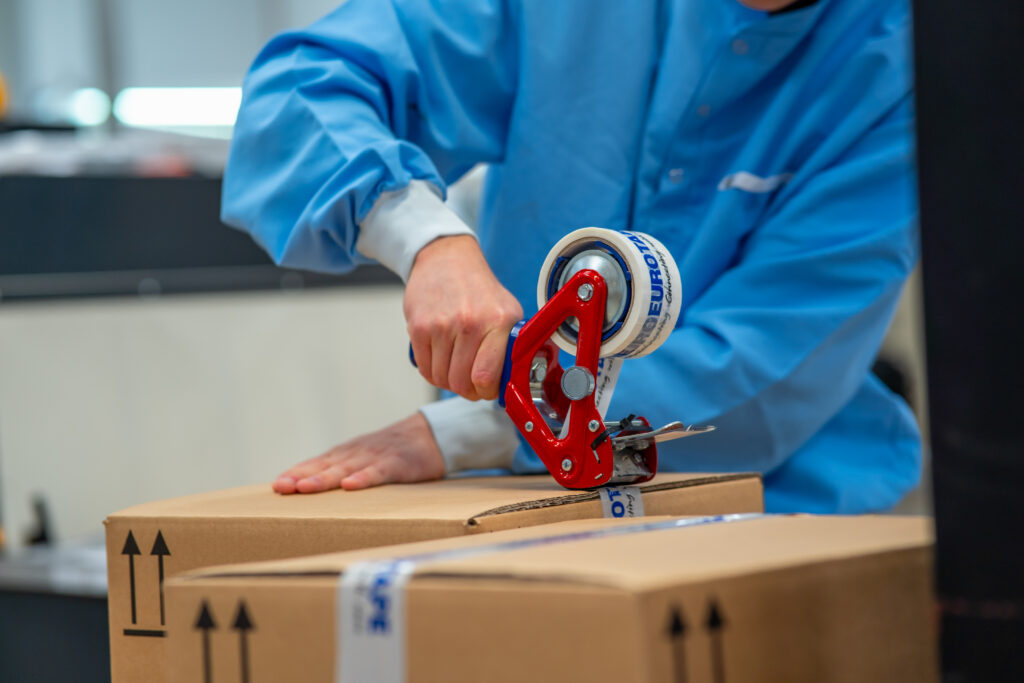
Yes, most surgical facilities that run multiple procedure types benefit from using custom procedure packs. When your team opens the same kit for every case regardless of what is actually needed, you are paying for components you do not use and adding unnecessary steps to the setup process. Custom procedure packs solve that by grouping exactly the right single-use items for a specific procedure, in the right quantities, ready to open. The sections below unpack the key questions procurement teams and pack manufacturers ask before making the switch.
What are the main benefits of using custom procedure packs?
Custom procedure packs reduce setup time, lower the risk of missing items, and cut waste by including only the components a specific procedure actually requires. For manufacturers and distributors building these packs, they also create a more efficient supply chain because each pack is sourced and assembled around a defined bill of materials rather than a generic list.
The operational advantages compound quickly. When a scrub technician opens a pack and finds everything needed for that case already sterile and organized, the time spent sourcing individual items from separate storage locations drops significantly. Fewer open packages also mean less waste at the end of a procedure.
From a procurement perspective, custom packs make cost tracking more predictable. Each pack has a fixed composition, so the cost per procedure is easier to calculate and audit. This matters both for hospital procurement teams and for the distributors supplying them.
There is also a quality consistency argument. When a pack is assembled to a validated specification every time, the risk of substituting an incompatible component during a busy shift is lower. That consistency supports infection prevention protocols and simplifies staff training.
How do custom procedure packs differ from standard surgical kits?
Standard surgical kits are pre-configured for broad use across multiple procedure types, while custom procedure packs are built around the specific requirements of a single procedure or a defined set of procedures at a particular facility. The key difference is specificity: a standard kit prioritizes versatility, and a custom pack prioritizes fit.
Standard kits work well when a facility performs a wide variety of low-volume procedures and cannot justify customization for each one. They are also a reasonable starting point for new facilities that have not yet established consistent procedure volumes.
Custom packs become the better option when a facility performs the same procedure repeatedly. In that context, a standard kit typically includes components that are never used and excludes components that need to be sourced separately. Over time, that gap creates both waste and workflow friction.
Another practical distinction is the adhesive and draping components. Single-use surgical products such as incise films, adhesive fenestrations, and surgical drape tapes can be specified precisely in a custom pack to match the draping configuration for that procedure. In a standard kit, these components are often generic and may not align with the surgical team’s preferred setup.
What components can be included in a custom procedure pack?
A custom procedure pack can include virtually any single-use surgical item that a facility uses consistently for a given procedure. Common components include surgical drapes, incise films, adhesive tapes, gowns, gloves, basins, syringes, sutures, and procedure-specific instruments or accessories. The exact contents are defined by the procedure’s clinical requirements and the facility’s preferences.
Adhesive components deserve particular attention because they are often overlooked in pack design but have a direct impact on draping quality and sterile field integrity. These include:
- Incise films that adhere to the patient’s skin to maintain the sterile field around the incision site
- Adhesive surgical drape tapes used to secure nonwoven drapes to the patient or to each other
- Flexible fenestrations that create an opening in a drape while maintaining an adhesive seal around it
- Construction tapes used during the manufacturing of the drape assembly itself
When these components are specified and validated as part of the pack, the surgical team works with a consistent draping system rather than mixing components from different suppliers. That consistency reduces the chance of adhesive incompatibility or unexpected performance variation during a procedure.
Pack manufacturers working with adhesive tape suppliers can also request custom formats, roll widths, or die-cut shapes to match the geometry of a specific drape design. This level of specification is one of the practical advantages of working with a manufacturer that offers flexible production rather than a fixed catalog.
When does switching to custom procedure packs make sense?
Switching to custom procedure packs makes sense when a facility performs a procedure frequently enough that the cost of customization is offset by the savings in waste reduction, setup time, and simplified procurement. As a general principle, the higher the procedure volume and the more standardized the surgical team’s preferences, the stronger the case for a custom pack.
Consider making the switch when you notice any of the following:
- Staff regularly supplement standard kits with additional items sourced from separate storage
- Unused components from standard kits are discarded after most procedures
- Setup time is longer than it should be because items need to be located and opened individually
- Procedure costs are difficult to track because the bill of materials varies from case to case
- A new facility or department is being set up and there is an opportunity to define the workflow from the start
Volume thresholds vary depending on the complexity of the pack and the cost of the components involved. Pack manufacturers and distributors are usually well positioned to model this for a facility, since they can compare the per-procedure cost of a custom pack against the current spend on individual items.
How does the customization process work with a manufacturer?
The customization process typically starts with a specification review, where the facility or distributor defines the procedure, the required components, and any performance requirements. The manufacturer then evaluates whether those components can be sourced, validated, and assembled within the required lead times and at the right cost. From there, the process moves through prototyping, testing, and regulatory review before production begins.
For adhesive components specifically, the process often involves selecting the right tape or film format, agreeing on dimensions and release liner configuration, and confirming that the adhesive performs as expected with the other materials in the pack. If a standard product from the manufacturer’s range fits the requirement, the process is straightforward. If a custom format is needed, the manufacturer’s in-house development capability determines how quickly that can be delivered.
Regulatory compliance is a consistent requirement throughout. All components included in a CE-marked procedure pack must meet the applicable requirements under the EU Medical Device Regulation. Manufacturers with ISO 13485 certification and in-house quality systems can support this process more directly than those relying on third-party suppliers for every component.
Communication between the facility or distributor and the manufacturer is important throughout. Clear specifications at the start reduce revision cycles, and manufacturers who offer on-site support or direct technical contact make it easier to resolve questions about material compatibility or component integration without delay.
How SOMED supports custom procedure pack development
SOMED manufactures adhesive tapes and films specifically for use in surgical drapes and single-use procedure packs. If you are a pack manufacturer or distributor looking to specify adhesive components for a custom pack, SOMED can supply the right format for your application, whether that is an incise film, a drape construction tape, a flexible fenestration, or a surgical adhesive tape.
What makes SOMED a practical partner for this kind of work:
- In-house adhesive development and manufacturing, which means production specifications can be adjusted without dependence on external suppliers
- Flexible production runs, including smaller volumes that are often not viable with larger manufacturers
- CE-marked, MDR-compliant products that integrate directly into procedure pack documentation
- ISO 13485-certified quality management to support your own regulatory requirements
- Co-development capability, so if your pack requires a format or specification that does not yet exist in the standard range, SOMED can work with you to develop it
If you are reviewing your current pack specifications or building a new procedure pack from scratch, get in touch with SOMED to discuss your adhesive component requirements. The team can advise on product selection, custom formats, and how to integrate SOMED components into your existing pack assembly process.
Related Articles
- What makes a medical tape safe for use on sensitive skin?
- Can medical tape cause skin reactions after surgery?
- What is the difference between paper tape and silk surgical tape?
- How do hospitals manage single-use medical tape waste in 2026?
- Can custom procedure packs lower costs for healthcare facilities?
This content was generated with the help of AI and it may contain mistakes