

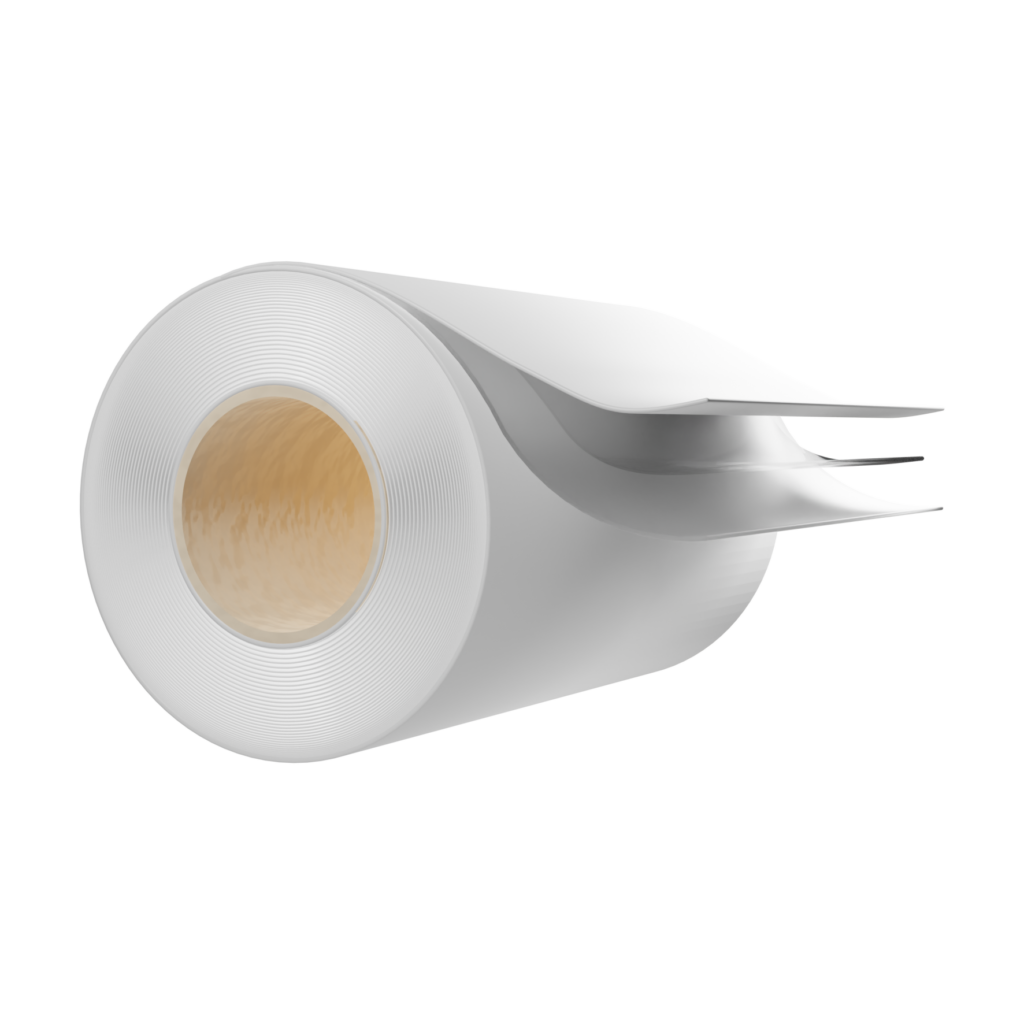
The operating room uses several distinct types of medical tape, each designed for a specific function. The main categories are incise films (applied directly to the skin at the incision site), surgical drape fixation tapes (used to secure nonwoven drapes to the patient or to equipment), and construction tapes (used during the assembly of surgical drape systems). Choosing the right tape for each application directly affects sterile field integrity, patient safety, and procedural efficiency. The sections below answer the most common questions procurement teams and product developers ask when evaluating OR medical tape.
What makes a tape suitable for surgical use?
A tape is suitable for surgical use when it combines reliable adhesion, skin or material compatibility, and compliance with applicable medical device regulations. In the operating room, tapes must perform under demanding conditions: exposure to fluids, variable skin types, and the need to maintain a sterile barrier throughout a procedure without causing trauma on removal.
Several properties define whether an adhesive tape qualifies for surgical applications:
- Biocompatibility: Materials in contact with skin or tissue must meet biocompatibility requirements to avoid irritation or adverse reactions.
- Adhesion performance: The tape must bond reliably to skin, nonwoven fabric, or film under surgical conditions, including the presence of moisture or prep solutions.
- Regulatory compliance: Surgical tapes sold in the EU must carry CE marking and comply with the Medical Device Regulation (EU) 2017/745 (MDR). Products manufactured under ISO 13485 quality management systems provide additional assurance of consistent production standards.
- Sterility or compatibility with sterilization: Single-use surgical tapes are typically supplied sterile or designed for integration into sterile procedure packs.
- Controlled release: Removal should not damage surrounding tissue or disrupt the wound site.
For manufacturers of single-use surgical products, these requirements translate directly into material and adhesive specifications that must be validated before a product enters the market.
What is incise film and how is it used in surgery?
Incise film is a thin, transparent adhesive film applied directly to the patient’s skin at the surgical site before the incision is made. The surgeon cuts through the film along with the skin, keeping the wound edges in contact with a sterile barrier throughout the procedure. This reduces the risk of contamination from the patient’s own skin flora migrating into the wound.
Incise films are typically made from polyurethane or a similar flexible film coated with a skin-compatible adhesive. They conform closely to body contours, which is important for maintaining adhesion around joints or curved surfaces. Some films incorporate an antimicrobial agent such as iodine, though plain (non-impregnated) versions are also widely used depending on clinical preference and procedure type.
In product development terms, incise film is often referred to as an OP Film or incision film. It is one of the more technically demanding adhesive components in a surgical drape system because it must balance strong initial adhesion with atraumatic removal, and the adhesive must remain effective even when the skin has been prepared with antiseptic solutions.
What types of surgical tape are used to secure drapes and equipment?
Several types of surgical adhesive tape are used to fix drapes, tubes, and equipment in the operating room. Each serves a different mechanical purpose within the sterile field.
Drape fixation tape
Drape fixation tapes attach nonwoven surgical drapes to the patient’s skin or to adjacent drape panels, sealing the edges of the sterile field. These tapes need strong peel adhesion to skin and fabric, and they must stay in place for the full duration of the procedure. They are commonly supplied as strips or rolls integrated into the drape itself.
Construction tape and flexible fenestrations
Construction tape is used during the manufacture of surgical drapes to bond layers of nonwoven material together or to attach components such as pouches and reinforcement patches. This tape is not patient-facing but plays a structural role in the finished drape. Flexible fenestrations are adhesive-coated openings within a drape that allow the incise film or the exposed surgical site to be positioned precisely. They combine the function of a frame with an adhesive border that contacts the skin.
Equipment and tube fixation
In some procedure packs, additional tape strips are included to secure tubing, cables, or instrument pouches to the drape surface. These tapes prioritize adhesion to nonwoven and plastic surfaces rather than skin.
What is the difference between surgical tape and medical tape?
Surgical tape refers specifically to adhesive tape designed for use within the sterile surgical environment, including the operating room. Medical tape is a broader term that covers any adhesive tape used in a healthcare context, including tapes used for wound dressing fixation, physiotherapy, IV line securing, and general clinical use outside the OR.
The distinction matters for procurement and product development because the performance requirements differ significantly. Surgical tapes used in procedure packs or on the sterile field must meet stricter standards for biocompatibility, sterility, and adhesion under surgical conditions. General medical adhesive tape used in a ward setting has different priorities, such as gentle adhesion for fragile skin or repeated repositioning.
It is also worth noting that surgical tape in the OR context is typically a component integrated into a larger product, such as a drape or procedure pack, rather than a standalone roll used directly by a clinician. This B2B supply chain distinction is relevant for manufacturers and distributors evaluating adhesive components.
How is surgical tape integrated into procedure packs?
Surgical tape is integrated into procedure packs as a pre-cut or pre-applied adhesive component, supplied alongside other single-use items such as drapes, gowns, and instruments. The tape arrives in the pack ready for use, eliminating the need for OR staff to cut or prepare it during the procedure.
From a manufacturing perspective, tape integration involves several steps:
- Component specification: The tape dimensions, adhesive type, liner, and substrate are defined based on the intended application within the pack.
- Converting: Roll stock is slit, die-cut, or laminated to produce the required format, such as strips, frames, or fenestrations.
- Assembly: Tape components are incorporated into drape assemblies or packed separately within the procedure pack.
- Sterilization compatibility: The finished pack, including all tape components, must be compatible with the sterilization method used by the pack assembler.
Suppliers of adhesive tape for procedure packs typically provide rolls or converted components to pack assemblers, who then incorporate them into the finished product. This means tape manufacturers need to work closely with their customers during product development to ensure the adhesive performs correctly within the final assembled product.
What should you look for when choosing OR tape for your facility?
When selecting medical adhesive tape for operating room use, the most important factors are application fit, regulatory compliance, adhesive performance, and supplier reliability. No single tape type suits every surgical application, so the evaluation should start with a clear definition of where and how the tape will be used.
Key criteria to evaluate include:
- Application type: Is the tape for skin contact, drape-to-drape bonding, or equipment fixation? Each requires a different adhesive and substrate.
- Regulatory status: Confirm that the tape carries CE marking under MDR and is manufactured under an ISO 13485-certified quality system if you are sourcing for the EU market.
- Adhesion under real conditions: Assess performance after skin prep, in the presence of fluids, and at the expected wear duration. Request test data or samples for validation.
- Compatibility with the procedure pack: If the tape will be incorporated into a drape or pack, verify that it is compatible with the sterilization method and the other materials in the assembly.
- Supplier flexibility: For custom procedure packs, the ability to specify dimensions, adhesive levels, and formats matters. A supplier that can co-develop components to your specification reduces integration risk.
- Consistency of supply: Single-use surgical products require consistent raw material quality batch to batch. Evaluate the supplier’s quality management practices and track record.
For procurement teams buying finished drapes or packs, these questions are typically addressed by the drape manufacturer. For product development teams building new procedure packs or drape systems, they need to be answered at the component sourcing stage.
How SOMED helps you source the right OR medical tape
SOMED develops and manufactures adhesive tapes and films specifically for surgical drapes and single-use procedure packs. If you are building or refining a surgical product line, we work with you to specify and supply the adhesive components that fit your design, your regulatory requirements, and your production process.
What we offer:
- In-house adhesive and tape manufacturing, giving you direct control over formulation and quality
- Custom formats including OP Tape, OP Film, OP Strip, OP Stretch, construction tape, and flexible fenestrations
- Products that are CE-marked and MDR-compliant, ready to integrate into your procedure pack documentation
- ISO 13485-certified manufacturing and in-house laboratory capabilities for product validation support
- Co-development of new components, including small-volume development runs for new product introductions
- On-site technical assistance to support integration and troubleshooting
Whether you need a standard tape format or a fully customized adhesive component, we can support the development and supply process from specification through to production. Get in touch with our team to discuss your requirements.
Related Articles
- When should medical staff switch to a different surgical tape type?
- What is the difference between paper tape and silk surgical tape?
- Should your facility be using custom procedure packs?
- How do you choose the right supplier for custom procedure packs?
- How do custom procedure packs reduce waste in operating rooms?
This content was generated with the help of AI and it may contain mistakes