


 SMG
 Eurotape
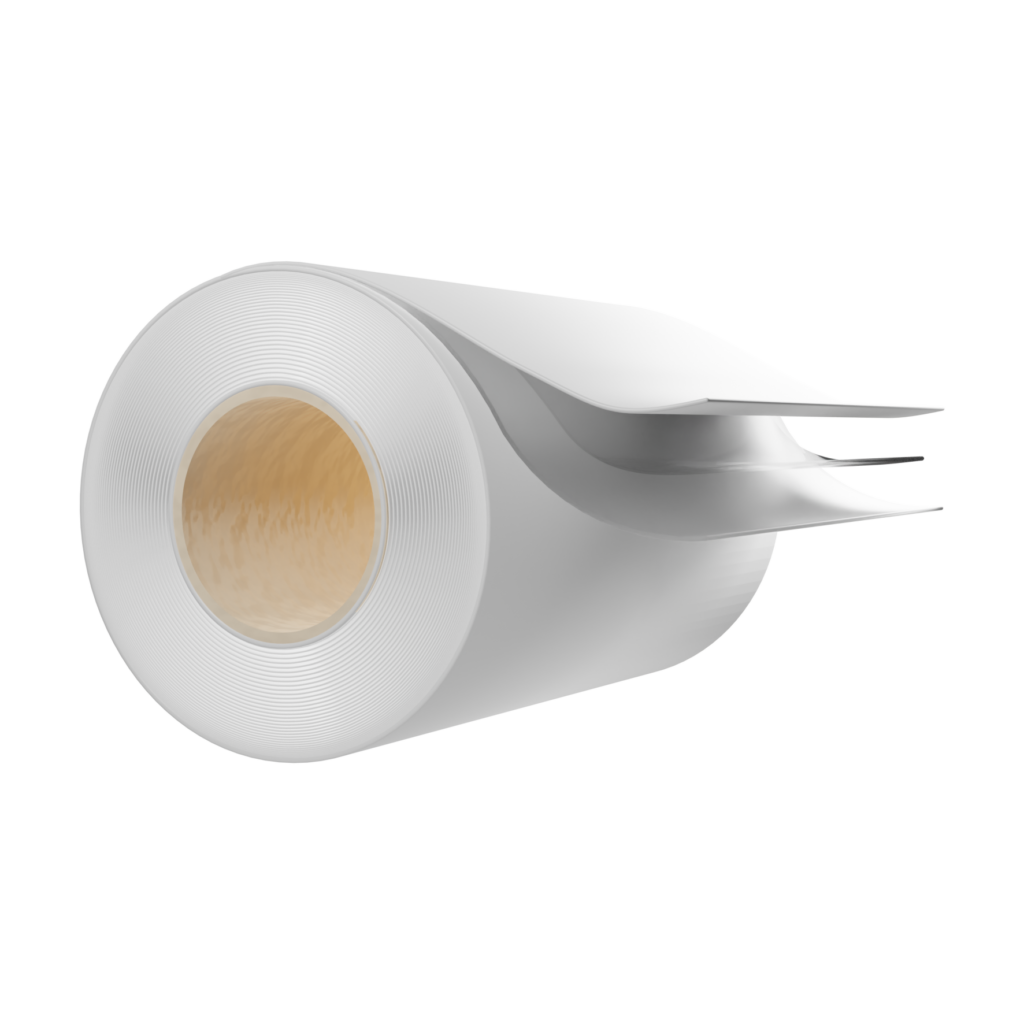
Surgical tape and wound closure strips are both self-adhesive medical products, but they serve different purposes. Surgical tape secures dressings, tubing, or drape components to the skin or other surfaces during a procedure. Wound closure strips hold the edges of a wound or incision together to support healing. The right choice depends on what you need to secure and at what stage of the procedure.
Both products rely on medical-grade adhesive technology, but their design, material structure, and application logic differ in ways that matter for product developers and procedure pack assemblers. The sections below walk through the most relevant distinctions.
When should you use wound closure strips instead of surgical tape?
Use wound closure strips when the goal is to approximate and hold wound or incision edges together, either as an alternative to sutures for superficial closures or as a supplement to sutures to reduce tension on the wound. Surgical tape, by contrast, is used to fix materials to a surface, not to pull tissue together.
The distinction comes down to mechanical function. Wound closure strips, such as SOMED’s OP-Strip, are designed with a specific width, tensile strength, and porosity that allow them to bridge across an incision and hold both sides in alignment. They apply lateral tension across the wound rather than simply adhering a layer on top of it.
Surgical tape is optimized for a different job: keeping dressings, electrodes, or drape components in position on the skin or on another material. It is not designed to manage the mechanical forces involved in tissue approximation. Using surgical tape in a wound closure application would not provide the controlled, even tension that a closure strip delivers.
For procedure pack assemblers, this means wound closure strips and surgical tape are complementary rather than interchangeable. Both can appear in the same pack, but each addresses a distinct step in the procedure.
How does adhesive technology differ between surgical tape and wound closure strips?
Surgical tape typically uses an adhesive formulated for reliable bonding to skin or nonwoven materials over the duration of a procedure, prioritizing secure fixation and compatibility with the surfaces it contacts. Wound closure strips use an adhesive engineered for direct, prolonged skin contact across a wound site, where consistent tension and repositionability may also be required.
The backing material reinforces this difference. Surgical tapes such as OP-Tape are often built on a flexible or conformable carrier, designed to move with the skin or drape surface without lifting. The adhesive must perform under the conditions of the operating room, including exposure to fluids, disinfectants, and temperature variation.
Wound closure strips like OP-Strip use a porous, fabric-based or nonwoven backing that allows moisture vapor to pass through. This porosity is important for skin health over the days or weeks the strip may remain in place after a procedure. The adhesive on a closure strip also needs to remain effective through patient movement and normal skin activity, not just for the duration of a single procedure.
For manufacturers developing single-use surgical products, understanding these adhesive requirements is important when specifying components for a procedure pack. The adhesive chemistry, coat weight, and carrier material all need to match the intended application.
Can wound closure strips and surgical tape be used together?
Yes. Wound closure strips and surgical tape can be used together in the same procedure, and they often are. They address different tasks at different stages, so including both in a single procedure pack is a practical and common approach.
In a typical surgical workflow, surgical tape might be used during the procedure to secure drape components, fix monitoring leads, or hold dressings in place. Wound closure strips are applied at or after wound closure, where the goal shifts from fixation of materials to support of the incision itself.
From a product development perspective, combining both in a procedure pack means each component needs to be specified independently. The adhesive performance, dimensions, and packaging of the surgical tape are chosen for its fixation role, while the closure strip is selected based on wound type, expected wear time, and skin sensitivity requirements. The two products do not need to share the same adhesive system or backing material.
What are the skin safety differences between surgical tape and wound closure strips?
Wound closure strips are generally designed for longer skin contact and are therefore built with skin safety as a primary consideration throughout their wear time. Surgical tape is designed for shorter-duration contact during a procedure, though skin compatibility remains important, particularly for patients with sensitive or fragile skin.
The key skin safety factors for both product types include:
- Adhesive formulation: Medical-grade adhesives used in both products are selected to minimize sensitization risk, but the specific formulation differs based on wear duration and the type of skin contact involved.
- Breathability: Wound closure strips typically use porous backings that allow moisture vapor transmission, reducing maceration risk during extended wear. Surgical tape backings vary depending on their application, with some prioritizing conformability over porosity.
- Removal characteristics: Closure strips need to release from skin without trauma after days of wear. Surgical tape is generally removed sooner, but gentle removal is still relevant, particularly in sensitive patient populations.
- Biocompatibility: Both product types used in medical settings should meet applicable biocompatibility requirements. For CE-marked products within the EU, this is addressed under the Medical Device Regulation (EU) 2017/745.
For manufacturers and procedure pack assemblers, specifying the correct product for each application reduces the risk of adverse skin reactions and supports patient safety outcomes.
How are surgical tape and wound closure strips included in procedure packs?
Both surgical tape and wound closure strips are supplied as components that procedure pack assemblers incorporate into finished single-use packs. Surgical tape is typically supplied in rolls or pre-cut lengths, while wound closure strips are supplied in individual or multi-strip formats ready for use.
When integrating these products into a custom procedure pack, assemblers need to consider several practical factors:
- Dimensions and format: Tape rolls need to match the dispenser or application method used in the target procedure. Closure strips need to be sized for the wound type the pack is designed for.
- Packaging compatibility: Both products must be packaged in a way that maintains sterility and allows clean, efficient opening during a procedure.
- Regulatory compliance: All components included in a CE-marked procedure pack must themselves meet applicable regulatory requirements, including MDR compliance for EU markets.
- Customization: Tape and strip dimensions, adhesive specifications, and packaging formats can be adapted to match the specific requirements of a procedure or customer.
Including both product types in a single pack is straightforward when each component is properly specified and sourced from a compliant manufacturer.
How SOMED supports your tape and closure strip requirements
SOMED develops and manufactures self-adhesive medical products for procedure pack assemblers, surgical drape manufacturers, and medical device distributors. If you are developing or sourcing components for a custom procedure pack, we can help you specify and supply the right products for each application.
Here is what we offer:
- OP-Tape for surgical fixation applications, available in flexible formats suited to drape and procedure pack integration
- OP-Strip wound closure strips, designed for direct skin contact and available in formats suited to single-use pack inclusion
- In-house adhesive development and manufacturing, giving us direct control over adhesive formulation and product performance
- CE-marked, MDR-compliant products that integrate cleanly into regulated procedure packs
- Flexible order volumes and co-development support for customers who need a product adapted to specific requirements
If you want to discuss your product requirements or get technical support on component selection, get in touch with our team and we will help you find the right solution.
Related Articles
- How do medical tapes for surgery get tested for sterility?
- How do custom procedure packs affect staff workflow and prep time?
- How do you order custom procedure packs for your facility?
- What are the best single-use medical tapes for surgery?
- How does surgical tape differ from regular medical tape?
This content was generated with the help of AI and it may contain mistakes