

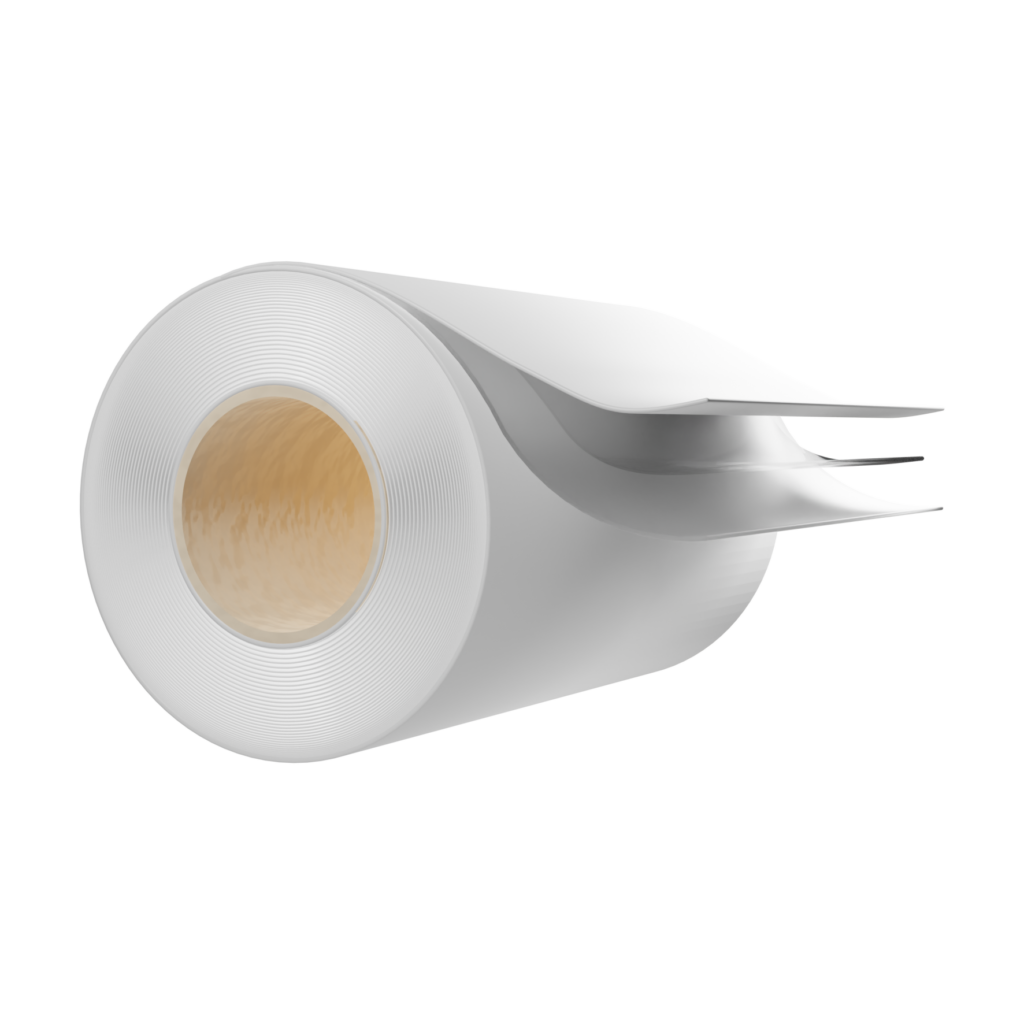
Yes, medical tape can cause skin reactions after surgery. These reactions range from mild redness and itching to more significant blistering or skin breakdown, and they are more common than many patients expect. Postoperative skin is especially vulnerable because of the stress surgery places on the body’s tissues. The sections below explain the types of reactions that occur, what drives them, and how surgical teams and product developers can reduce the risk.
What types of skin reactions can medical tape cause?
Medical tape can cause several types of skin reactions, including contact dermatitis, mechanical skin damage, and allergic responses. The most common are irritant contact dermatitis, which results from friction or chemical exposure, and allergic contact dermatitis, which is an immune-mediated response to a specific ingredient in the adhesive or backing material.
Here is a breakdown of the main reaction types:
- Irritant contact dermatitis: Redness, dryness, or superficial skin damage caused by repeated friction, moisture trapped under the tape, or chemical irritants in the adhesive. This is the most frequently reported reaction and does not require prior sensitization.
- Allergic contact dermatitis: A delayed immune response that typically appears 24 to 72 hours after tape application. It presents as an itchy, sometimes blistering rash that mirrors the shape of the tape.
- Mechanical skin injury: Skin stripping or tearing that occurs when tape is removed too quickly or when the adhesive bond is stronger than the skin’s surface layer. This is particularly common in elderly patients or those on long-term corticosteroid therapy.
- Folliculitis: Inflammation of hair follicles caused by moisture buildup under occlusive tape, more likely when tape covers a hairy area for an extended period.
Each reaction type has a different cause and a different clinical picture, which matters for product selection and patient management. A rash that appears immediately usually points to irritation, while one that develops over days is more likely allergic in origin.
What’s the difference between a tape allergy and skin irritation?
A tape allergy is an immune-mediated response to a specific chemical in the tape, while skin irritation is a non-immune reaction caused by physical or chemical stress on the skin surface. The distinction matters because an allergy can worsen with repeated exposure, whereas irritation typically resolves once the source of friction or chemical contact is removed.
Irritant reactions are far more common. They develop quickly, often within hours, and tend to stay within the area of direct tape contact. The skin looks red, dry, or slightly raw, similar to a mild abrasion.
Allergic reactions follow a different pattern. The first exposure to a sensitizing ingredient may produce little or no visible response. With subsequent exposures, the immune system mounts a stronger reaction, which can spread beyond the tape’s edges. The rash is typically itchy, may blister, and often looks more inflamed than a straightforward irritation.
From a product development perspective, this distinction drives material selection. Reducing irritants is largely an engineering challenge: choosing gentler adhesive formulations, controlling moisture permeability, and optimizing the peel force of the backing. Reducing allergen risk requires identifying and eliminating sensitizing chemicals from the adhesive system entirely, which is why ingredient transparency from manufacturers is so important to single-use product developers.
Why is postoperative skin more vulnerable to tape reactions?
Postoperative skin is more vulnerable to tape reactions because surgery disrupts the skin barrier, alters local circulation, and often leaves the surrounding tissue in a stressed or compromised state. This makes the skin less able to tolerate the mechanical and chemical demands that adhesive tape places on it.
Several factors compound this vulnerability:
- Barrier disruption: Surgical preparation, including antiseptic skin cleansing and draping, removes protective lipids from the skin surface. This leaves the stratum corneum more permeable and more reactive to adhesive chemicals.
- Prolonged occlusion: Tape applied during a lengthy procedure traps moisture against the skin. Maceration softens the epidermis, increasing susceptibility to both irritation and mechanical damage on removal.
- Reduced tissue perfusion: Surgical stress, anesthesia, and positioning can reduce blood flow to peripheral tissues, impairing the skin’s ability to recover from minor insults.
- Patient-specific factors: Age, nutritional status, diabetes, steroid use, and prior radiation all reduce skin resilience. These are common in surgical populations, which is why postoperative tape reactions are a recognized clinical problem rather than an edge case.
Understanding these factors helps explain why a tape that performs well in a laboratory peel test can still cause problems in a real surgical environment. The conditions on a patient’s skin during and after surgery are far more demanding than any bench test can fully replicate.
Which ingredients in surgical tape most commonly trigger reactions?
The ingredients in surgical tape most commonly associated with skin reactions include certain acrylate monomers in pressure-sensitive adhesives, rubber-based compounds, colophony (rosin) derivatives, and preservatives or antioxidants added to the adhesive formulation. Sensitization to these substances is well documented in occupational and clinical dermatology literature.
Acrylate-based adhesives are widely used in medical tapes because of their strong bonding performance and good biocompatibility profile. However, residual unreacted monomers in some formulations can act as sensitizers, particularly in patients with repeated or prolonged exposure.
Rubber-based adhesives, including those derived from natural latex, carry a well-known allergy risk. While latex has been largely eliminated from surgical tapes in most markets, some synthetic rubber adhesives contain thiuram compounds and other accelerators that can also trigger delayed hypersensitivity reactions.
Colophony, a natural resin used as a tackifier in some adhesive systems, is one of the most frequently identified contact allergens in patch-test studies. Its derivatives can persist in formulations even when the base resin has been modified, making ingredient traceability important.
For manufacturers developing surgical drapes and procedure packs, understanding the full chemical composition of adhesive components is essential. Requesting detailed material safety and biocompatibility data from adhesive suppliers helps identify potential sensitizers before a product reaches clinical use.
How can surgical teams reduce the risk of tape-related skin reactions?
Surgical teams can reduce the risk of tape-related skin reactions by selecting tapes appropriate for the patient’s skin condition, applying them correctly, limiting occlusion time where possible, and removing tape carefully after the procedure. Product selection and application technique both play a significant role in the outcome.
Practical steps include:
- Match tape to patient risk: Patients with fragile skin, known adhesive sensitivities, or compromised circulation benefit from lower-tack or hypoallergenic surgical tape options. Identifying high-risk patients before the procedure allows teams to select appropriate materials in advance.
- Ensure the skin is clean and dry before application: Residual antiseptic solutions or moisture on the skin surface can interfere with adhesive performance and increase the risk of irritation. Allow the skin to dry fully before applying tape.
- Avoid excessive tension during application: Applying tape under tension increases the mechanical stress on the skin and raises the risk of blistering or tearing, particularly at the tape edges.
- Remove tape slowly and at a low angle: Peeling tape back on itself at a shallow angle rather than pulling it away from the skin reduces the force applied to the epidermis. Using a suitable adhesive remover where available further reduces trauma.
- Inspect the skin after removal: Routine assessment of the skin under and around the tape after the procedure allows early identification of any reaction and timely clinical response.
From a product development perspective, these clinical needs translate directly into design requirements: controlled peel force, breathable backing materials, and adhesive formulations that minimize sensitizing ingredients are all features that reduce reaction risk at the source.
When should a skin reaction from surgical tape prompt medical attention?
A skin reaction from surgical tape should prompt medical attention when blistering, open skin, signs of infection, or a spreading rash develop, or when the reaction does not improve within a few days of tape removal. Mild redness that fades quickly is generally not a cause for concern, but more significant reactions need clinical assessment.
Specific signs that warrant prompt evaluation include:
- Blisters or vesicles forming under or around the tape area
- Skin that tears or breaks down on tape removal
- Warmth, swelling, or discharge suggesting secondary infection
- A rash that spreads beyond the tape contact area
- Persistent itching or discomfort that does not resolve within 48 to 72 hours after tape removal
- Systemic symptoms such as fever, which may indicate a more serious response
In a postoperative context, skin breakdown near a surgical site carries additional risk because it can compromise wound integrity or create an entry point for infection. Early assessment allows the clinical team to identify the cause, switch to an alternative adhesive product if needed, and manage any skin damage before it becomes a more serious complication.
For patients with a documented history of adhesive allergy, it is worth communicating this clearly before any procedure so the surgical team can plan accordingly and select suitable alternatives from the outset.
How SOMED helps reduce tape-related skin reactions
At SOMED, we develop and manufacture adhesive tapes and films specifically for surgical applications, working directly with procedure pack assemblers, drape manufacturers, and medical product distributors. Skin compatibility is a core consideration in how we design our products, not an afterthought.
Here is how we support our customers in addressing tape-related skin reaction risks:
- In-house adhesive development: We formulate and produce our own adhesives, which gives us direct control over ingredient selection and the ability to minimize sensitizing compounds in our formulations.
- Customized solutions: We work with customers to develop tape and film products tailored to specific clinical requirements, including breathability, peel force, and backing material, so the final product fits the intended application rather than forcing a compromise.
- MDR compliance and CE marking: All our products are CE marked and manufactured in line with EU MDR (EU) 2017/745, with ISO 13485 quality management throughout. This gives our customers a reliable regulatory foundation for the finished products they bring to market.
- Flexible manufacturing at relevant volumes: We support customers through product development and into production, including at volumes that many larger manufacturers would not consider commercially viable.
If you are developing a surgical drape, procedure pack, or other adhesive medical product and want to discuss how material choices affect skin compatibility, get in touch with our team. We are happy to talk through your requirements and explore what a tailored adhesive solution could look like for your application.
Related Articles
- When should medical staff switch to a different surgical tape type?
- How does medical tape adhesion strength affect surgical outcomes?
- How do hospitals manage single-use medical tape waste in 2026?
- How do custom procedure packs support infection control protocols?
- What regulations apply to custom procedure packs in healthcare?
This content was generated with the help of AI and it may contain mistakes