

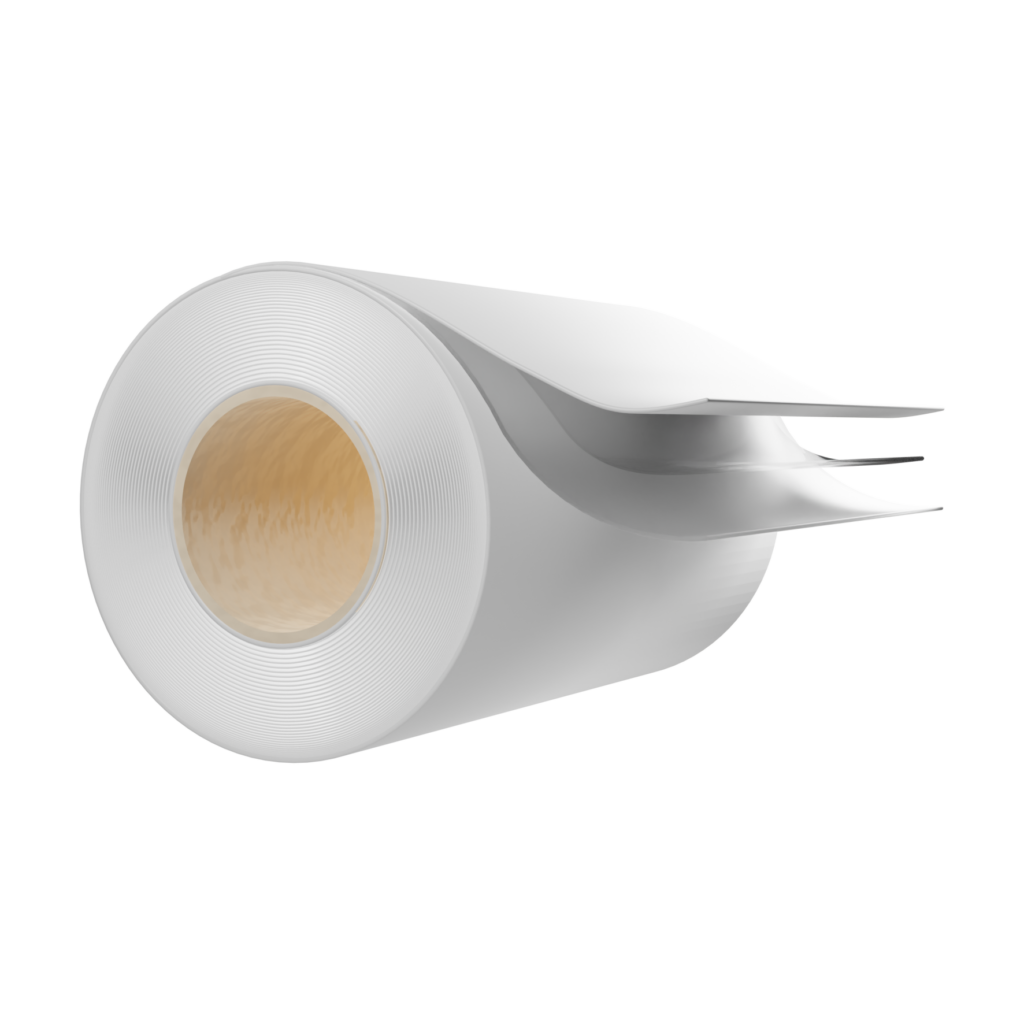
Medical tape adhesion strength directly affects surgical outcomes by determining whether drapes, incise films, and other adhesive components stay in place throughout a procedure. When adhesion holds, sterile fields remain intact, surgical access stays consistent, and the risk of contamination drops. When it fails, the consequences range from minor workflow disruption to serious infection risk. The sections below unpack the key factors, material differences, and selection criteria that matter most for surgical applications.
What happens when surgical tape adhesion fails during a procedure?
When surgical tape adhesion fails during a procedure, the sterile field is compromised. Drapes lift or shift, incise films peel back from the skin, and the controlled environment the surgical team depends on breaks down. Even partial adhesive failure can expose the wound site to contaminants, force unplanned interruptions, and increase procedure time.
The practical consequences of adhesive failure in the operating room go beyond inconvenience. A drape that loses contact with the patient’s skin creates a pathway for bacteria to migrate toward the incision site. An incise film that lifts at the edges no longer provides the antimicrobial barrier it was designed to maintain. In both cases, the surgical team must respond mid-procedure, which adds pressure, uses additional materials, and may compromise the outcome for the patient.
For manufacturers of single-use surgical products and procedure pack assemblers, adhesive failure is also a product quality issue. If the adhesive component underperforms in the field, it reflects on the finished product regardless of which part of the supply chain introduced the problem. This is why adhesion strength is not just a material specification, it is a functional requirement with direct clinical relevance.
What factors determine medical tape adhesion strength?
Medical tape adhesion strength is determined by a combination of adhesive chemistry, backing material, surface energy of the substrate, application pressure, temperature, and the condition of the skin or material being bonded. No single factor works in isolation, adhesion performance is the result of how all these variables interact under real surgical conditions.
The adhesive chemistry sets the baseline. Acrylic adhesives, for example, tend to offer broad substrate compatibility and good aging stability, while rubber-based adhesives can deliver higher initial tack. The backing material influences how the adhesive conforms to irregular surfaces: a more flexible film allows the adhesive to make fuller contact with skin contours, which improves overall bond strength.
Surface energy plays a significant role that is sometimes underestimated. Skin is a low-energy, variable surface, it changes with moisture, body temperature, oils, and the prep agents applied before surgery. An adhesive that performs well on a test substrate in a laboratory may behave differently on prepped skin in a warm operating room. This is why adhesion testing under conditions that reflect actual use is more meaningful than standard peel strength figures alone.
Application pressure and dwell time also matter. Most pressure-sensitive adhesives need a brief moment of firm contact to develop their full bond. If a drape or tape is applied quickly without adequate pressure, initial adhesion will be lower than the adhesive is capable of delivering.
How does adhesion strength differ across surgical tape types?
Different surgical tape types are engineered for different adhesion profiles. Incise films require strong, consistent skin adhesion across a broad surface area. Drape fixation tapes need to bond reliably to both skin and nonwoven materials. Construction tapes used inside procedure packs are optimized for bonding nonwoven layers together rather than adhering to skin at all.
Thin polyurethane films used as incise or incision films prioritize conformability and sustained adhesion over time. Because they cover the incision site for the duration of the procedure, their adhesive must resist moisture and maintain contact even as the skin moves slightly. A tape designed for this role will have a different adhesive formulation than one used to secure a drape at the perimeter of a sterile field.
Stretch tapes, sometimes used around fenestrations or at drape edges, need an adhesive that can accommodate movement without peeling. Rigid backing materials paired with high-tack adhesives work well for static bonding but can lift when the substrate flexes. The right combination depends on where in the surgical setup the tape is being used and what mechanical demands it will face.
For manufacturers building custom procedure packs, this means that specifying a single tape type for all adhesive functions within a pack is rarely the optimal approach. Different components within the same pack often benefit from different adhesive solutions.
What’s the difference between peel strength and shear strength in medical tape?
Peel strength measures the force required to pull a tape away from a surface at an angle, typically 90 or 180 degrees. Shear strength measures the resistance to sliding forces applied parallel to the bonded surface. Both are relevant to surgical tape performance, but they predict failure in different directions and under different stress conditions.
In surgical applications, peel strength matters most at edges and corners, the points where a drape or film is most likely to lift. High peel strength keeps those edges down even when the tape is subjected to incidental contact, fluid exposure, or movement. Shear strength becomes more relevant when a bonded component is under tension along its length, such as a stretch tape holding a fenestration in place under lateral stress.
A tape with excellent peel strength but low shear resistance may hold its edges well but shift position over time if it is under sustained lateral load. Conversely, a tape optimized for shear may resist sliding but lift at the corners. Surgical tape specifications should ideally report both values, and product developers should evaluate which failure mode is more likely for their specific application before selecting a material.
How does skin prep affect surgical tape adhesion?
Skin preparation before surgery significantly affects how well surgical tape adheres. Antiseptic agents, skin degreasers, and alcohol-based preps alter the surface energy and moisture content of the skin, which changes how the adhesive wets the surface and develops its bond. Some prep agents improve adhesion; others temporarily reduce it if the skin is not allowed to dry fully before the tape is applied.
Alcohol-based antiseptics, which are widely used in preoperative skin prep, generally evaporate quickly and leave a cleaner, drier surface that supports adhesion. However, if tape is applied before the prep has fully dried, residual solvent can interfere with the adhesive bond. Iodine-based preps leave a film on the skin that can also affect adhesion, depending on the adhesive chemistry involved.
Moisture is one of the most consistent challenges. Perspiration, irrigation fluids, and blood can all undermine adhesion during a procedure. Tapes and films intended for extended surgical use are typically formulated with adhesives that maintain bond strength in the presence of moisture, but this property varies between products and should be verified for the specific application.
For manufacturers, understanding how their adhesive component interacts with common prep protocols is important. An adhesive that performs well on unprepared skin in a bench test may not deliver the same result on a prepped surgical site. Testing under representative conditions gives a more reliable picture of real-world performance.
How should surgical teams select medical tape for specific procedures?
Selecting the right medical tape for a specific surgical procedure starts with identifying the functional requirements: what surface will the tape bond to, how long must it hold, what mechanical and environmental stresses will it face, and what are the regulatory requirements for the finished product? Matching the adhesive and backing to these requirements is more reliable than selecting by brand or general tape category.
Key selection criteria include:
- Substrate compatibility: Will the tape bond to skin, nonwoven fabric, film, or a combination? Each substrate has different surface energy and texture characteristics that influence adhesive selection.
- Duration of adhesion: A tape used for a short procedure has different requirements than one that must hold for several hours in a warm, humid environment.
- Moisture resistance: Procedures involving irrigation, blood, or significant perspiration require adhesives formulated to maintain bond strength in wet conditions.
- Flexibility and conformability: Tapes applied over joints, curved surfaces, or moving anatomy need backings that flex without lifting at the edges.
- Regulatory compliance: All adhesive components used in surgical products must meet applicable regulatory standards, including CE marking and MDR compliance in the European market.
For procedure pack assemblers and drape manufacturers, the selection process also involves evaluating how the tape integrates with other components in the pack. An adhesive that bonds well to one nonwoven layer may not perform equally well with a different fabric weight or surface treatment. Testing adhesive components within the actual product configuration, rather than in isolation, gives the most meaningful performance data.
It is also worth considering the end-user experience. A tape that is difficult to apply correctly, or that requires precise technique to achieve adequate adhesion, introduces variability in the operating room. Tapes that develop a reliable bond quickly and consistently, with straightforward application, reduce the risk of user-dependent adhesion failure.
How SOMED helps you get adhesion right
At SOMED, we develop and manufacture adhesive tapes and films specifically for surgical applications, including incise films, drape fixation tapes, stretch tapes, and construction tapes used inside custom procedure packs. If you are building a surgical drape or assembling a procedure pack and need an adhesive component that meets precise performance and regulatory requirements, we can help you develop the right solution.
Here is what working with us looks like in practice:
- We manufacture our adhesives in-house, which gives us direct control over formulation and consistency across production runs.
- We support co-development of new adhesive configurations, even at relatively low volumes, so you are not locked into off-the-shelf formats that do not quite fit your product.
- All products are CE marked and MDR compliant, manufactured under ISO 13485, making integration into your finished product straightforward from a regulatory standpoint.
- We supply rolls to manufacturers and assemblers, and we can work with your team during product development to match adhesive performance to your specific substrate, application method, and end-use conditions.
If you are evaluating adhesive components for a new or existing surgical product, get in touch with our team to discuss your requirements. We are happy to walk through the options and help you identify the adhesive solution that fits your product and your process.
Related Articles
- What types of medical tape are used in the operating room?
- What makes a medical tape safe for use on sensitive skin?
- What is hypoallergenic surgical tape and when is it recommended?
- What are custom procedure packs in healthcare settings?
- How do custom procedure packs reduce waste in operating rooms?
This content was generated with the help of AI and it may contain mistakes