


 SMG
 Eurotape
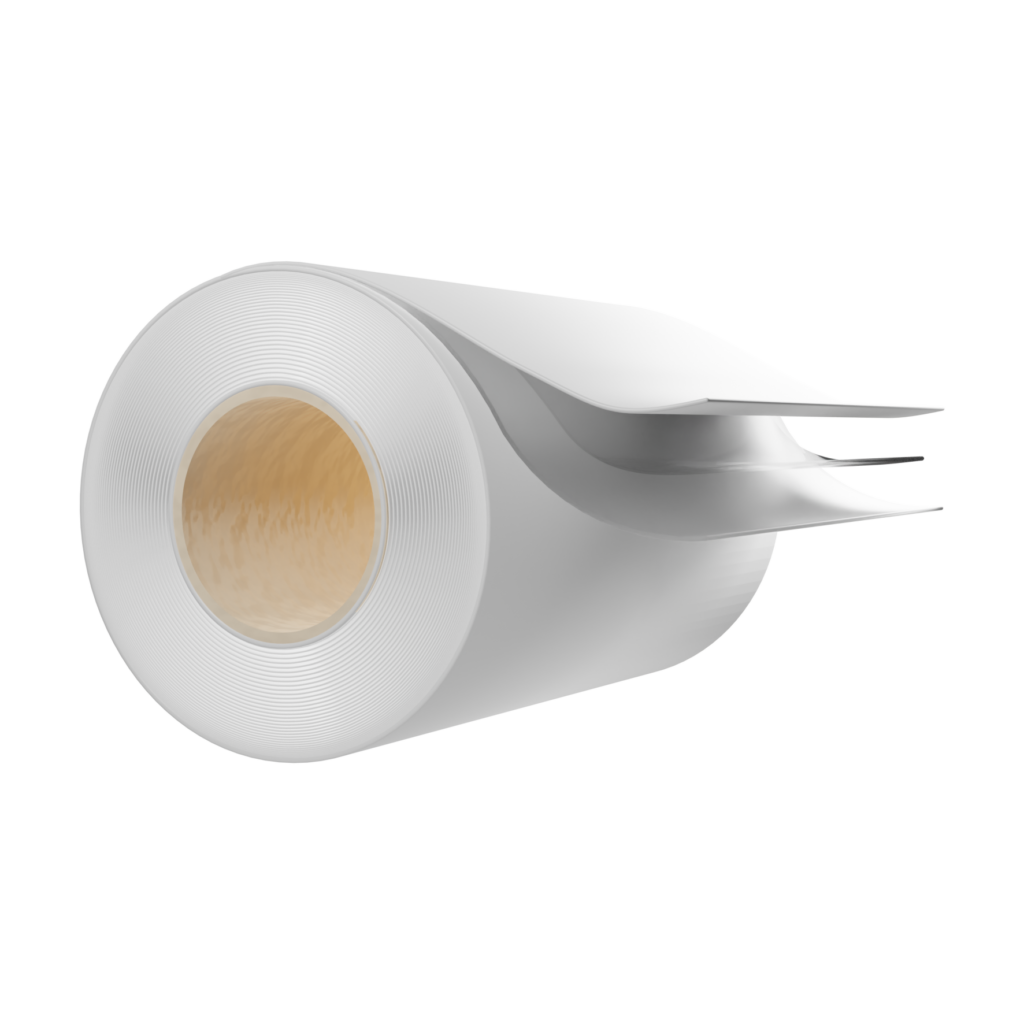
Single-use surgical tape is important for infection control because it eliminates the risk of cross-contamination that comes with reusing adhesive products between patients or procedures. Each sterile, single-use unit is applied once and discarded, removing a potential vector for bacteria, fungi, and other pathogens in the operating environment. The sections below unpack the specific mechanisms, regulatory requirements, and practical considerations that matter most for manufacturers and procurement teams working with these products.
How does surgical tape contribute to hospital-acquired infections?
Surgical tape can contribute to hospital-acquired infections when it is not managed as a single-use product or when its design does not meet the hygiene demands of the operating room. Adhesive surfaces that contact skin, drapes, or instruments can harbor microorganisms. If a tape roll or dispenser is shared between patients, or if the adhesive loses integrity and allows fluid migration, the risk of pathogen transfer increases significantly.
The operating room is a controlled environment, but it is not a static one. Surgical teams handle multiple materials during a procedure, and any product that bridges sterile and non-sterile zones can become a contamination point. Medical adhesive tape used to secure drapes or seal incision sites sits at exactly that boundary. When the tape fails to maintain a secure seal, fluids can travel beneath it, creating a pathway for bacteria to reach the surgical site.
Hospital-acquired infections, including surgical site infections, remain a serious patient safety concern across healthcare systems. While no single product category is solely responsible, every item in the sterile field plays a role in either maintaining or compromising the infection barrier. Tape is no exception.
What makes single-use surgical tape more hygienic than reusable alternatives?
Single-use surgical tape is more hygienic than reusable alternatives because it is manufactured, packaged, and delivered in a controlled sterile state and then discarded after one application. There is no opportunity for microbial accumulation between uses, no cleaning process that might leave residue, and no degradation of adhesive performance from repeated handling. Each unit starts clean and ends in the waste stream.
Reusable adhesive products face a fundamental challenge: adhesive surfaces are difficult to sterilize reliably without altering their performance. Cleaning agents can break down the adhesive matrix, reducing bond strength and creating surface irregularities where microorganisms can shelter. Single-use products avoid this problem entirely because they are never subjected to reprocessing.
There is also a practical consistency argument. Single-use medical products perform the same way every time because they have not been exposed to prior use conditions. For manufacturers building surgical drapes and custom procedure packs, this consistency is essential: the tape component must deliver reliable adhesion and barrier performance regardless of which unit comes off the production line.
What role does surgical tape play in surgical site infection prevention?
Surgical tape plays a direct role in surgical site infection prevention by securing sterile drapes, sealing incision margins, and maintaining the integrity of the sterile field throughout a procedure. When tape performs correctly, it prevents fluid ingress, holds draping materials in position, and reduces the movement of microorganisms from the patient’s skin or the surrounding environment toward the operative site.
Incise films, a category of adhesive film applied directly to the skin over the incision area, are a specific example of how tape technology contributes to infection control. These films create a physical barrier between the patient’s skin flora and the surgical wound. The adhesive must bond securely enough to prevent the film from lifting at the edges, because any gap allows skin bacteria to migrate into the wound.
Beyond incision management, tape used to attach and seal surgical drapes prevents pooling of fluids at drape edges, which is a recognized risk factor for contamination. The adhesive performance, material breathability, and conformability of the tape all influence how well it fulfills this protective function. This is why product design and material selection matter as much as the single-use principle itself.
Which regulatory standards apply to single-use surgical tape?
Single-use surgical tape sold in the European market must comply with the EU Medical Device Regulation (MDR) 2017/745 and carry CE marking. Manufacturers are also expected to operate under ISO 13485, the quality management system standard for medical device production. These frameworks set requirements for design, materials, biocompatibility, labeling, and post-market surveillance.
ISO 10993 governs the biocompatibility testing that adhesive materials must undergo before they can be used in contact with skin in a clinical setting. This standard ensures that the adhesive, carrier material, and any release liner components do not cause adverse biological reactions under intended use conditions.
For manufacturers of surgical drapes and procedure packs that incorporate adhesive tape components, the regulatory status of each component matters. Sourcing tape from a supplier whose products are already CE-marked and MDR-compliant simplifies the path to market and reduces the compliance burden on the pack assembler. It is worth confirming that the tape supplier can provide the technical documentation needed to support the finished product’s regulatory submission.
When should single-use surgical tape be replaced during a procedure?
Single-use surgical tape should be replaced during a procedure whenever its adhesive seal is visibly compromised, when the material has lifted from the skin or drape surface, or when fluid has penetrated beneath it. Any loss of contact between the tape and the surface it is securing creates a gap in the infection barrier and should be addressed immediately by the surgical team.
In practice, tape replacement decisions are made by the scrub team based on direct observation of the sterile field. Relevant signs include visible edge lifting, fluid pooling near the tape margin, or mechanical disruption caused by instrument handling. The design of the tape influences how often these situations arise: a tape with strong initial tack and good conformability to body contours will maintain its seal more reliably than one with marginal adhesive performance.
For manufacturers specifying tape components for procedure packs, this reinforces the importance of selecting adhesive products designed for the duration and conditions of the intended procedure. A tape that performs well in a short procedure may not maintain the same seal integrity over a longer operation where patient movement, fluid exposure, and temperature changes are more pronounced.
How SOMED supports infection control through adhesive tape manufacturing
SOMED develops and manufactures medical adhesive tapes and films specifically for the surgical single-use market, supplying roll-format components to procedure pack assemblers, surgical drape manufacturers, and medical product distributors. The focus on single-use design means every product is built around the hygiene and performance requirements described throughout this article.
Working with SOMED gives product developers access to:
- CE-marked, MDR-compliant adhesive tape and film components ready to integrate into finished surgical products
- In-house adhesive and tape manufacturing, giving direct control over material selection and product consistency
- Customized product development, including adhesive formulation, carrier material, and geometry, tailored to specific procedure pack requirements
- ISO 13485-certified quality management, supporting the technical documentation needed for regulatory submissions
- Flexible production runs, including smaller volumes for co-development projects and new product introductions
If you are developing or sourcing adhesive components for surgical drapes or custom procedure packs and want a manufacturing partner with in-house R&D capability, get in touch with SOMED to discuss your product requirements.
Related Articles
- What is medical tape used for in surgery?
- How do custom procedure packs affect staff workflow and prep time?
- How do you order custom procedure packs for your facility?
- What are the best single-use medical tapes for surgery?
- What is the difference between surgical tape and wound closure strips?
This content was generated with the help of AI and it may contain mistakes