


 SMG
 Eurotape
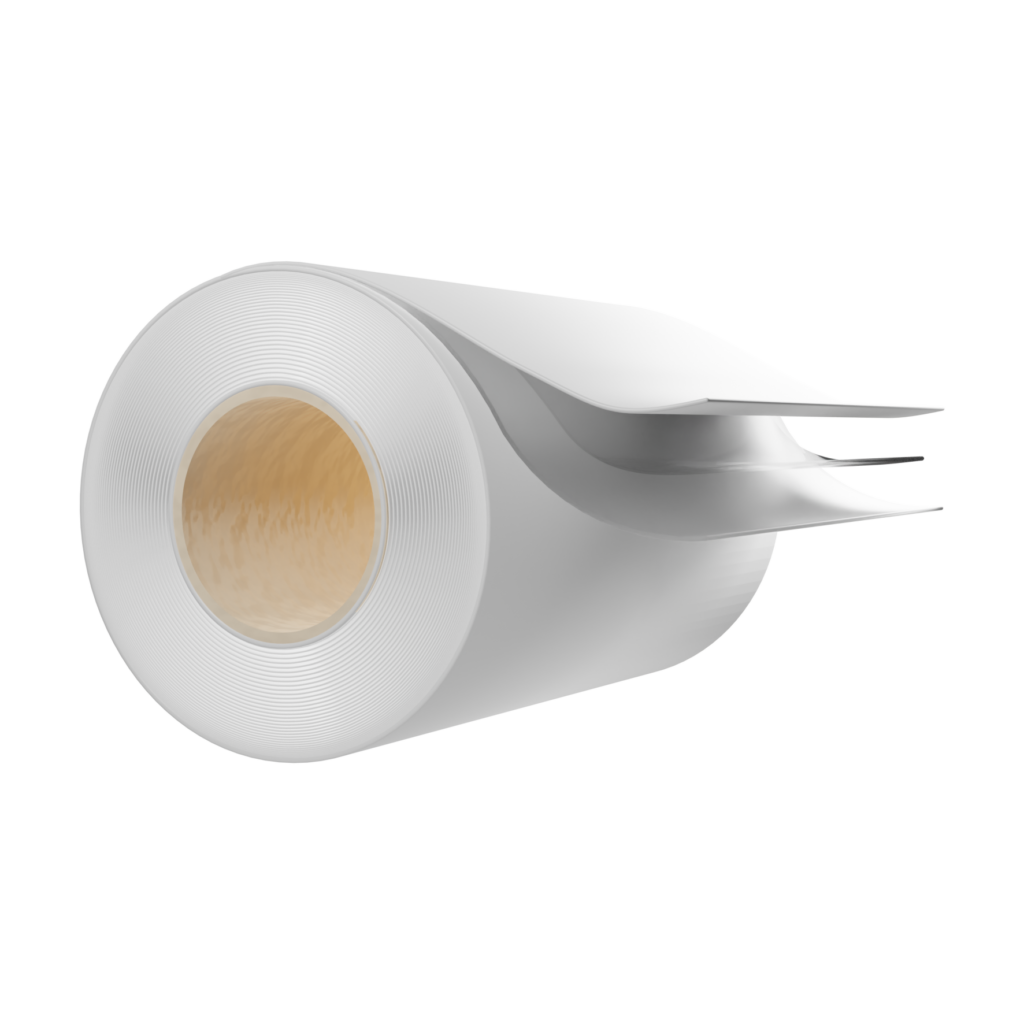
Surgical tape and regular medical tape are not the same thing. Surgical tape is engineered specifically for use in sterile, high-stakes clinical environments, with materials, adhesives, and regulatory standards that general-purpose medical tape simply does not meet. The sections below walk through the key differences, from materials and adhesive strength to how surgical tape fits into a custom procedure pack.
What makes surgical tape medical grade?
Medical grade surgical tape meets a defined set of regulatory and performance requirements that distinguish it from consumer or general-purpose tape. In the European market, this means CE marking under the Medical Device Regulation (EU) 2017/745 (MDR) and manufacturing in accordance with ISO 13485, the quality management standard for medical device production. These requirements cover biocompatibility, sterility compatibility, and consistent performance under clinical conditions.
What this means in practice is that every material, adhesive formulation, and production step is documented, validated, and traceable. Medical grade tape used in surgical settings must not cause adverse skin reactions, must maintain adhesion under conditions such as moisture and body heat, and must be compatible with sterilization processes where required. These are not optional features, they are baseline requirements for any product used in or around a surgical field.
For manufacturers of single-use surgical products such as drapes and procedure packs, this regulatory status is also a practical necessity. Any adhesive component incorporated into a finished medical device must itself meet the relevant standards, or it will compromise the compliance of the entire product.
What materials are used in surgical tape versus regular medical tape?
Surgical tape is typically made from nonwoven fabrics, polyurethane films, or polyester-based substrates, chosen for their compatibility with skin, their behavior under sterile conditions, and their suitability for the specific application. Regular medical tape, the kind found in a first aid kit or used for securing bandages, often uses simpler materials such as basic woven cloth, paper, or thin plastic film with a general-purpose adhesive.
The substrate choice in surgical tape is deliberate. Nonwoven materials, for example, offer a combination of conformability and breathability that works well for skin contact applications. Polyurethane films are thin and transparent, which makes them suitable for use as incise films or wound drape components where visibility matters. These materials are selected and tested to perform under the specific demands of a surgical environment, not just to hold a dressing in place at home.
The adhesive layer itself is also formulated differently. Surgical adhesives are typically acrylic-based and are engineered for a defined bond strength, controlled release, and skin compatibility over the duration of a procedure. General medical tape adhesives are not held to the same performance specifications.
How does adhesive strength differ between surgical and regular medical tape?
Surgical tape is not simply stronger than regular medical tape, it is engineered for a specific adhesive profile. The goal is not maximum bond strength but controlled, predictable performance: enough adhesion to stay securely in place throughout a procedure, without damaging tissue or leaving residue on removal. Regular medical tape is typically designed for light, temporary fixation with no particular performance target beyond basic hold.
In surgical applications, adhesive performance is tested against real conditions: exposure to fluids, skin movement, elevated temperature, and the duration of a procedure. A tape used to secure a surgical drape to the patient’s skin, for example, needs to maintain its seal even when the surrounding area becomes wet. A tape used in an incise film application needs to bond firmly enough to support clean incision while releasing cleanly from the skin afterward.
Regular medical tape is not formulated or tested for any of these scenarios. Using it in a surgical context introduces unpredictable performance risk, which is exactly why surgical tape exists as a separate, validated product category.
What are surgical tapes actually used for in the operating room?
Surgical tape serves several distinct functions in the operating room, and the specific product used depends on the application. The main uses fall into a few clear categories.
- Drape fixation: Adhesive tape secures nonwoven surgical drapes to the patient’s skin, creating a sterile field around the operative site. This tape needs a reliable bond that holds throughout the procedure without lifting at the edges.
- Incise film backing: Incise films, thin transparent adhesive films applied directly over the skin at the incision site, allow surgeons to cut through the film while maintaining a sterile barrier. The adhesive must bond firmly to skin and remain stable under the conditions of surgery.
- Procedure pack assembly: Adhesive tapes and strips are used to assemble and seal components within custom surgical procedure packs, ensuring that sterile items remain protected until the moment of use.
- Flexible fenestrations: Adhesive components create the openings in surgical drapes that expose the operative site while keeping surrounding areas covered.
- Device fixation: In some applications, surgical tape secures cables, tubing, or monitoring devices to the patient during a procedure.
Each of these applications places different demands on the tape, which is why surgical adhesive tape is not a single product but a range of formats and formulations designed for specific functions.
Can regular medical tape be used in surgical procedures?
No. Regular medical tape is not suitable for use in surgical procedures. It is not manufactured under the quality management requirements that apply to medical devices used in sterile environments, and it has not been validated for the performance demands of a surgical setting. Using non-compliant adhesive components in a surgical context introduces both clinical risk and regulatory problems.
From a regulatory standpoint, any product incorporated into a surgical drape or procedure pack must meet the requirements of the Medical Device Regulation if it is placed on the EU market. A general-purpose tape that lacks CE marking under the MDR cannot be used as a component in a compliant finished product. This matters not just for the end user but for every manufacturer and distributor in the supply chain.
From a clinical standpoint, regular medical tape has not been tested for skin compatibility over the duration of a surgical procedure, adhesion under fluid exposure, or compatibility with sterilization. These are not theoretical concerns, they are the conditions under which the tape will actually be used.
How do you choose the right surgical tape for a procedure pack?
Choosing the right surgical tape for a procedure pack starts with defining the application clearly. The tape’s function, the surface it will bond to, the expected duration of use, and the conditions it will face during the procedure all determine which substrate and adhesive formulation are appropriate. There is no single correct answer, the right tape depends on the specific product being assembled.
Key factors to consider include:
- Substrate type: Does the application require a nonwoven for conformability, a film for transparency, or a stretch material for flexibility?
- Adhesive strength: Should the tape bond firmly and stay in place, or does it need a lower-tack formulation for easy repositioning or removal?
- Skin contact: If the tape touches the patient’s skin, it must meet biocompatibility requirements. If it only bonds to drape materials, different specifications apply.
- Sterilization compatibility: Will the finished product be sterilized after assembly? The tape must be compatible with the sterilization method used.
- Regulatory compliance: All components must be CE marked and MDR-compliant to be incorporated into a finished medical device sold in the EU.
- Format and dimensions: Roll width, length, and thickness affect how the tape integrates into the drape or pack assembly process.
For manufacturers building custom procedure packs or surgical drapes, working with a supplier who can tailor adhesive components to the specific product requirements, rather than selecting from a fixed catalogue, makes this process significantly more straightforward. Co-developing a tape specification from the start means fewer compatibility problems and a more reliable finished product.
How SOMED helps you source the right surgical adhesive tape
SOMED develops and manufactures surgical adhesive tapes and films specifically for procedure pack assemblers, drape manufacturers, and medical product distributors. If you are building a custom surgical product and need adhesive components that meet MDR requirements and perform reliably in the operating room, here is what working with SOMED looks like in practice:
- Custom formulations: Substrate, adhesive type, bond strength, and dimensions are developed around your specific product requirements, not adapted from a standard catalogue item.
- In-house manufacturing: SOMED develops and produces its adhesives and tapes internally, which means direct control over material quality and production consistency.
- MDR compliance and CE marking: All products are manufactured in accordance with ISO 13485 and are CE marked under the Medical Device Regulation, making them ready to incorporate into your finished product.
- Flexible volumes: SOMED works with customers at various production scales, including smaller volumes for new product development or co-development projects.
- On-site support: Technical assistance is available to help you integrate adhesive components into your product and resolve any compatibility questions early in the process.
If you are developing a new surgical drape, updating an existing procedure pack, or looking for a compliant adhesive component supplier, get in touch with SOMED to discuss your requirements directly.
Related Articles
- How do medical tapes for surgery get tested for sterility?
- How do custom procedure packs affect staff workflow and prep time?
- How do you order custom procedure packs for your facility?
- What are the best single-use medical tapes for surgery?
- Why is single-use surgical tape important for infection control?
This content was generated with the help of AI and it may contain mistakes