


 SMG
 Eurotape
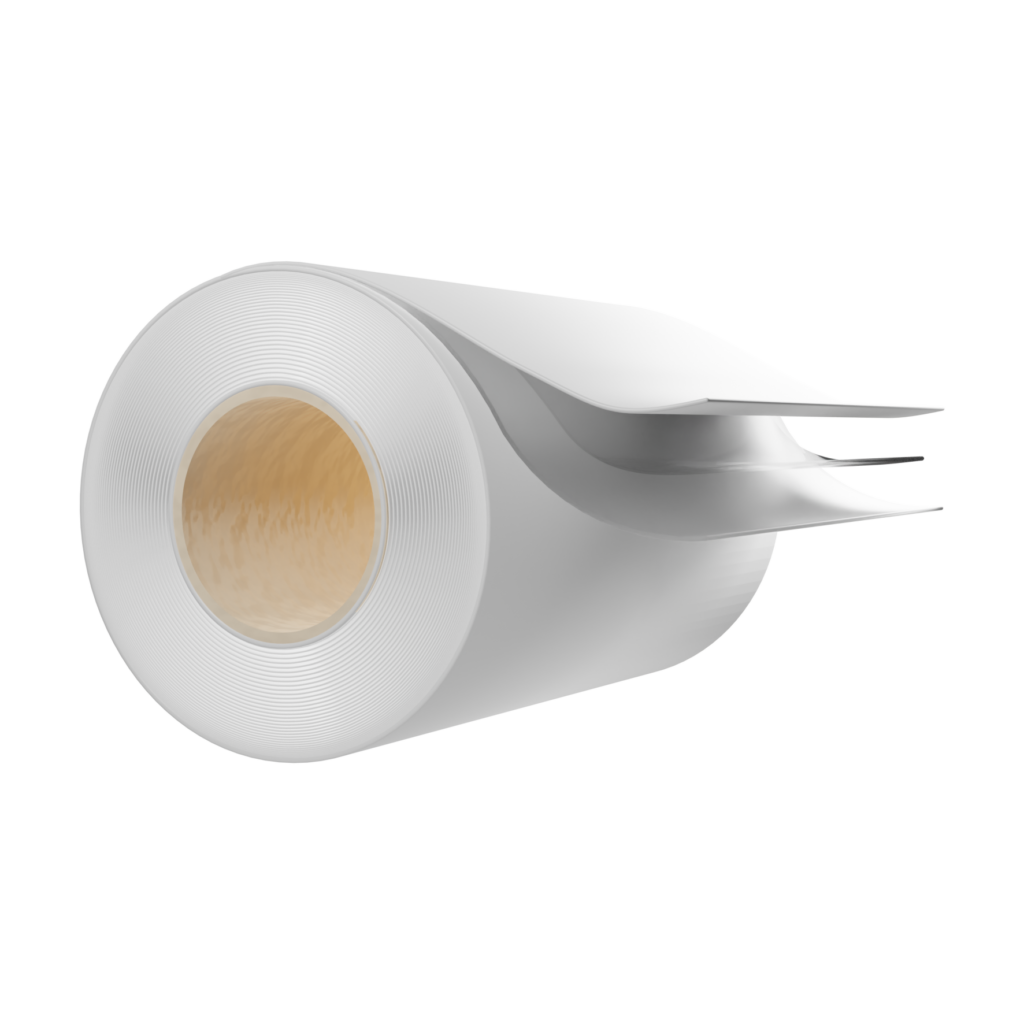
Medical tape in surgery is used to secure surgical drapes, fix incise films to the skin, hold equipment in position, and maintain sterile field boundaries throughout a procedure. It is a functional component of the sterile environment, not a wound-care product. Different tape formats serve different roles depending on where they are applied and what they need to hold in place.
The sections below address the most common questions about surgical tape: the types available, how they support patient safety, how they differ from incise film, the regulatory requirements they must meet, and how they fit into ready-to-use procedure packs.
What types of medical tape are used in the operating room?
Several distinct types of surgical adhesive tape are used in the operating room, each designed for a specific task. The most common categories are fixation tapes for securing drapes and equipment, construction tapes for assembling multi-layer drape components, and incise films that adhere directly to the patient’s skin at the incision site. The right type depends on the surface it bonds to and the mechanical demands of the procedure.
In practice, these tape types differ in substrate, adhesive chemistry, and backing material. A tape used to bond nonwoven drape layers together needs strong lamination properties, while a tape applied near the patient’s skin must be skin-compatible and gentle on removal. Some tapes are coated on one side; others are double-sided for bonding two surfaces together. Stretch tapes offer conformability on curved or uneven surfaces, which is useful when draping around joints or contoured anatomy.
Common formats found in surgical settings include:
- Single-sided fixation tape for attaching drapes to equipment or holding tubing in place
- Double-sided construction tape for laminating nonwoven layers in drape manufacturing
- Elastic or stretch tape for conformable coverage around irregular surfaces
- Incise film, a transparent, adhesive film applied directly over the operative site
- Finger cots, small adhesive covers used to protect fingers or small areas during procedures
How does surgical tape keep patients safe during procedures?
Surgical tape contributes to patient safety primarily by maintaining the integrity of the sterile field. When drapes shift or separate, contamination risk increases. Tape holds drape components in position, seals edges around the operative site, and prevents fluids from migrating under the drape barrier. A well-secured drape system reduces the chance of microorganisms reaching the incision site.
Beyond drape fixation, surgical adhesive tape also secures tubing, cables, and other equipment to prevent accidental displacement during a procedure. Movement of a catheter or monitoring lead at a critical moment can interrupt a procedure or introduce risk. Tape with reliable adhesion under moist or warm conditions provides consistent hold throughout the operation.
The adhesive itself plays a central role in safety. Tapes used in surgical environments must not cause skin trauma on removal, must not leave adhesive residue that could contaminate the site, and must maintain their bond even when exposed to irrigation fluids, blood, or body heat. These performance requirements are why single-use surgical products are engineered specifically for operating room conditions rather than adapted from general-purpose materials.
What is the difference between medical tape and surgical incise film?
Medical tape and surgical incise film are both self-adhesive products used in the operating room, but they serve different functions. Medical tape is typically used to secure drapes, fix equipment, or bond nonwoven layers together. Incise film is a transparent, thin adhesive film applied directly to the patient’s skin over the operative site, through which the surgeon makes the incision while the film remains in place to help isolate the skin flora from the wound.
The two products differ in material, adhesive type, and application. Incise film must be transparent so the surgeon can see the anatomy beneath it, flexible enough to conform to the skin, and designed to be cut through cleanly without the adhesive fouling the blade. Medical tape, by contrast, may be opaque, is usually applied to nonwoven or film drape surfaces rather than directly to the skin, and is optimized for peel strength or lamination rather than incision compatibility.
In terms of construction, incise film is typically a thin polyurethane or polyester film with a skin-compatible acrylic adhesive. Surgical drape tape uses a broader range of backings and adhesives matched to the surfaces they bond. Both product types are considered medical devices and must meet the same regulatory requirements, but their performance specifications and test methods differ significantly.
Does medical tape need to meet regulatory standards for surgical use?
Yes. Any medical tape used in a surgical setting is classified as a medical device and must meet the applicable regulatory standards for that market. In the European Union, this means compliance with the Medical Device Regulation (EU) 2017/745, commonly referred to as the MDR. Products must be CE-marked before they can be placed on the EU market. Manufacturers must also operate under a certified quality management system, typically ISO 13485.
These requirements exist because surgical tapes come into contact with patients, either directly through skin contact or indirectly as part of drape systems that define the sterile field. Regulatory compliance covers biocompatibility assessment, performance testing, technical documentation, and post-market surveillance. A tape that meets these requirements gives procedure pack assemblers and drape manufacturers confidence that the component will not introduce risk into their finished product.
For manufacturers sourcing adhesive tape components, working with a supplier whose products are already CE-marked and MDR-compliant simplifies the integration process considerably. It reduces the documentation burden and supports the technical file for the finished medical device.
How is medical tape integrated into single-use surgical procedure packs?
Medical tape enters procedure packs as a component supplied in roll form to manufacturers who assemble the finished pack. The tape is not typically a standalone product in the pack; it is incorporated into drapes, used to seal pouch openings, or included as a separate accessory within the sterile pack for use during the procedure. The manufacturer of the procedure pack selects the tape based on the specific bonding, sealing, or fixation function it needs to perform.
Integration requires close coordination between the tape supplier and the pack manufacturer. The tape must be compatible with the other materials in the pack, perform reliably after sterilization, and meet the regulatory requirements of the finished device. This is why tape suppliers who offer customization, technical support, and documentation assistance are valuable partners in the development process.
Tape components used in procedure packs are subject to the same MDR requirements as the finished pack itself. This means the component supplier must provide the documentation the pack manufacturer needs to include the tape in their technical file. Traceability, batch records, and material declarations are all part of this process.
How SOMED supports surgical tape sourcing and development
SOMED develops and manufactures self-adhesive medical products specifically for surgical drapes and single-use procedure packs. We produce our adhesives and tape constructions in-house, which gives us direct control over material selection, performance, and quality at every stage of production.
If you are a procedure pack assembler, drape manufacturer, or medical product distributor looking for reliable adhesive tape components, here is what we offer:
- Customized tape formats including fixation tapes, construction tapes, stretch tapes, incise films, and finger cots
- Products supplied in roll form, ready for integration into your manufacturing process
- CE-marked and MDR-compliant components with full technical documentation
- In-house R&D and laboratory capability to support co-development of new formats or product adjustments
- Flexible manufacturing suitable for a range of volumes, including smaller runs during product development
We work closely with customers throughout the development process, from material selection to regulatory documentation. If you want to discuss your specific requirements or explore whether our products are a fit for your application, get in touch with our team directly.
Related Articles
- How do medical tapes for surgery get tested for sterility?
- How do custom procedure packs affect staff workflow and prep time?
- Why is single-use surgical tape important for infection control?
- How does surgical tape differ from regular medical tape?
- What is the difference between surgical tape and wound closure strips?
This content was generated with the help of AI and it may contain mistakes