


 SMG
 Eurotape
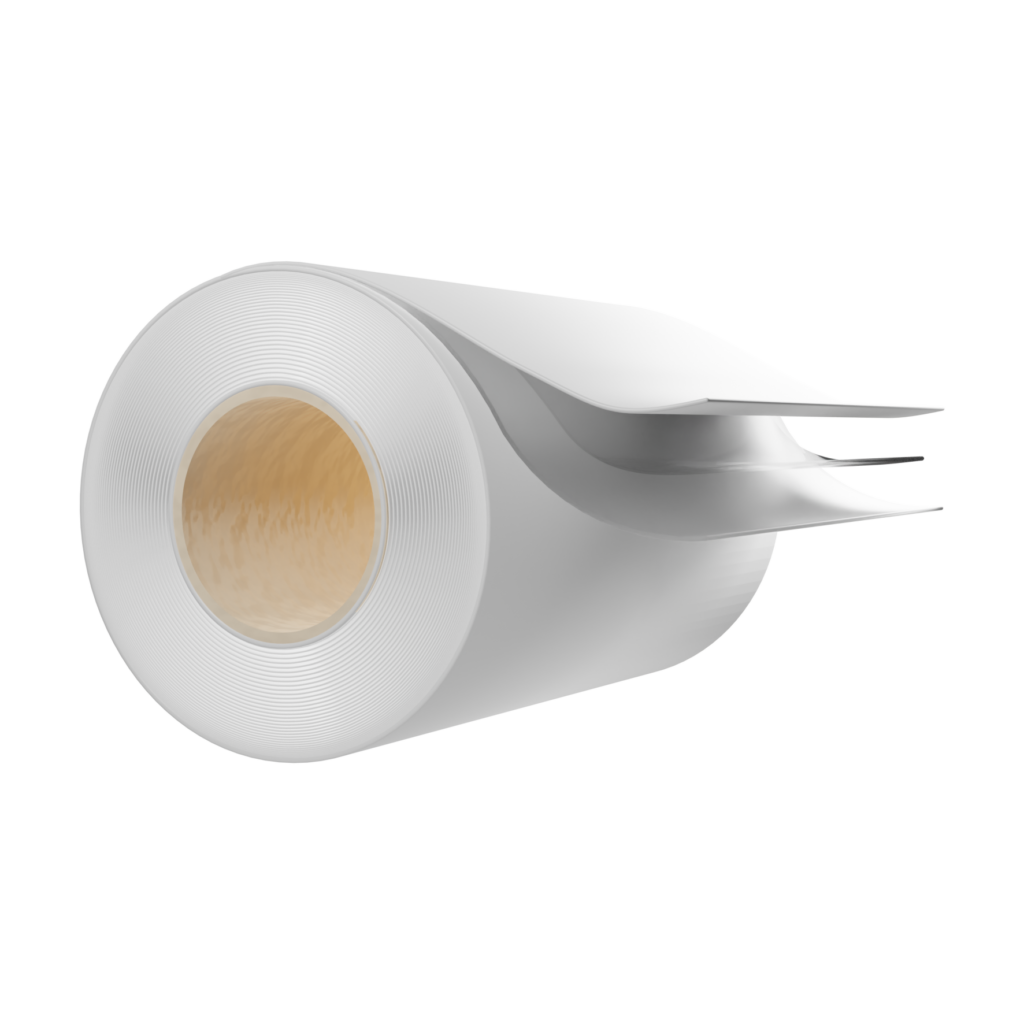
The best single-use medical tapes for surgery combine reliable adhesion, skin compatibility, and consistent performance under the demanding conditions of an operating room. For surgical drape fixation and incision site preparation, the most suitable options include medical-grade adhesive tapes, incise films, and flexible fenestration materials, each designed for a specific function within the sterile field. The sections below walk through the key product types, selection criteria, integration into procedure packs, and the regulatory standards that apply.
What makes a medical tape suitable for surgical use?
A medical tape is suitable for surgical use when it maintains secure adhesion throughout a procedure, poses no risk of adverse skin reactions, and performs reliably within a sterile environment. Surgical adhesive tapes must meet a higher standard than general-purpose tapes because failure during an operation, lifting, slipping, or causing skin trauma, can compromise the sterile field and patient safety.
Several properties define a genuinely surgical-grade tape. The adhesive must bond firmly to both skin and drape materials without leaving damaging residue on removal. The backing material needs to be dimensionally stable, meaning it should not stretch or distort unpredictably under tension. Breathability, transparency, and conformability are relevant depending on the application, a tape used to fix a drape at the incision edge has different requirements than one used to secure tubing or reinforce a fenestration.
Biocompatibility is a non-negotiable requirement. Surgical adhesive tapes must be formulated and tested to confirm they do not cause irritation, sensitization, or cytotoxicity when in contact with skin or tissue. This is assessed in accordance with established biocompatibility testing frameworks and must be documented as part of the product’s technical file.
What types of single-use surgical tapes are available?
Single-use surgical tapes fall into several distinct categories, each serving a specific role in the operating room. The main types are surgical fixation tapes, incise films, construction tapes used in drape assembly, and flexible fenestration materials. Each category differs in substrate, adhesive formulation, and intended function.
Surgical fixation tapes
These tapes secure drapes, tubing, and other components to the patient or to the sterile field. They typically use a breathable nonwoven or film backing with a pressure-sensitive adhesive. Products in this category, such as OP Tape, are designed to hold reliably throughout a procedure without causing skin damage on removal.
Incise films
Incise films are transparent, self-adhesive films applied directly over the incision site before surgery. The surgeon cuts through the film along with the skin, which helps maintain a microbial barrier around the incision. These films use a thin polyurethane or similar backing with a skin-contact adhesive formulated for direct, prolonged contact with intact skin.
Construction and assembly tapes
Not all surgical tapes contact the patient directly. Construction tapes are used during the manufacturing of surgical drapes and single-use procedure packs, bonding layers of nonwoven fabric, film, and reinforcement material together. These tapes must perform reliably during assembly and maintain their bond through sterilization processes.
Flexible fenestrations and strips
Fenestrations are pre-cut adhesive components integrated into surgical drapes to create the opening over the operative site. Flexible fenestration materials need to conform to body contours, maintain their seal under fluid exposure, and adhere consistently to both the drape and the patient’s skin.
How do incise films differ from standard surgical tapes?
Incise films differ from standard surgical tapes in both their design and their function. While surgical tapes fix drapes or components in place, incise films are applied directly to the skin at the incision site and are designed to be cut through during the procedure. This makes the film’s transparency, thickness, conformability, and skin adhesion far more critical than for a fixation tape.
A standard surgical tape typically uses a thicker backing, often a nonwoven fabric, that provides strength and ease of handling. An incise film uses an ultra-thin, transparent film backing that allows the surgeon to see the marked incision line through the material. The adhesive on an incise film must maintain contact with skin throughout the procedure, even when exposed to irrigation fluids or blood, without lifting at the edges.
Another key difference is the removal profile. Fixation tapes are removed after the drape is taken off, often from relatively robust skin areas. Incise films are removed from the incision site itself, where the skin may already be under stress, so the adhesive must release cleanly without leaving significant residue or causing additional trauma.
What should you look for when choosing a single-use surgical tape?
When choosing a single-use surgical tape, the most important factors are the intended application, the adhesive’s compatibility with the substrate it contacts, performance under operating conditions, and regulatory compliance. No single tape is optimal for every surgical application, so matching the product to its specific role is the starting point.
- Application specificity: Determine whether the tape will contact skin directly, bond drape layers, or secure equipment. Each use case demands a different adhesive type and backing material.
- Adhesion performance: Assess initial tack, peel strength, and long-term hold. A tape that bonds well initially but lifts after an hour of fluid exposure is not suitable for lengthy procedures.
- Skin compatibility: For any skin-contact tape, biocompatibility testing results should be available and relevant to the contact duration and body area.
- Conformability: Tapes used over joints or curved anatomy need a flexible backing that moves with the body without wrinkling or delaminating.
- Sterilization compatibility: If the tape will be included in a sterilized procedure pack, confirm that the adhesive and backing maintain their properties after the sterilization method used, typically ethylene oxide or gamma radiation.
- Regulatory documentation: The product should be CE-marked under the EU Medical Device Regulation (MDR) 2017/745 and accompanied by a complete technical file.
For manufacturers of surgical drapes and procedure packs, an additional consideration is consistency between production batches. Variability in adhesive coat weight or backing thickness can affect the performance of the finished drape, so working with a supplier that controls its own manufacturing process end to end reduces that risk.
How are single-use medical tapes integrated into surgical procedure packs?
Single-use medical tapes are integrated into surgical procedure packs either as discrete components supplied on rolls or as pre-cut, pre-applied elements within a drape assembly. The integration method depends on whether the tape is a construction element, bonding layers of the drape together, or a functional element that the clinician uses during the procedure.
In drape manufacturing, construction tapes are applied during the converting and assembly process. They bond nonwoven layers, reinforce high-stress areas, and attach collection pouches or instrument holders to the drape body. These tapes must perform consistently on automated assembly lines, which means their release liner, unwind tension, and adhesive coat weight need to meet tight tolerances.
Functional tapes and films, such as incise films or fixation strips, are typically included in the pack as separate items, either wound on a small roll or pre-cut and protected by a release liner. The clinician applies them at the point of use. For pack assemblers, this means the tape must be packaged in a way that preserves sterility, allows easy dispensing in a gloved hand, and remains stable throughout the pack’s shelf life.
Co-development between the tape manufacturer and the procedure pack assembler is often the most effective way to get this right. Tape specifications can be adjusted, in terms of width, length, liner type, and adhesive formulation, to fit the exact requirements of a given pack design. This kind of collaboration is particularly valuable when developing new drape configurations or entering new clinical markets.
Which standards and certifications apply to single-use surgical tapes?
Single-use surgical tapes placed on the EU market must comply with the Medical Device Regulation (EU) 2017/745 (MDR) and carry CE marking. Beyond the MDR, several harmonized standards and testing frameworks apply depending on the product’s specific claims and intended use.
ISO 13485 is the quality management system standard that governs the design and manufacture of medical devices. Manufacturers of surgical adhesive tapes operating under ISO 13485 demonstrate that their production processes, documentation, and supplier controls meet the requirements expected for medical device manufacturing.
Biocompatibility is assessed in accordance with the ISO 10993 series. For skin-contact tapes, the relevant evaluations typically include cytotoxicity, sensitization, and skin irritation testing. The specific tests required depend on the nature, duration, and location of skin contact.
Where incise films or other tapes make claims related to microbial barrier performance, additional testing against relevant EN or ISO standards for barrier properties may be required. Sterilization validation, confirming that the product remains safe and functional after the sterilization process, is governed by standards such as ISO 11135 for ethylene oxide or ISO 11137 for radiation sterilization.
For manufacturers supplying into markets outside the EU, equivalent frameworks apply: FDA 510(k) clearance or De Novo classification in the United States, and similar regulatory pathways in other jurisdictions. Confirming that a supplier’s products are documented and tested to the appropriate standard for your target market is an important step in the procurement process.
How SOMED helps you source the right surgical adhesive tapes
SOMED develops and manufactures self-adhesive medical tapes and films specifically for the surgical market, supplying rolls and components to procedure pack assemblers, drape manufacturers, and medical device distributors. If you are developing a new drape or updating an existing procedure pack, working with a manufacturer that controls its own adhesive and tape production gives you more flexibility to adjust specifications without going through multiple supply chain layers.
- Products including OP Tape, OP Film, OP Strip, and OP Stretch are CE-marked and MDR-compliant, with the documentation needed to integrate them into your technical file
- Manufacturing is carried out under ISO 13485, with in-house R&D and laboratory capabilities that support product development and quality control
- Custom widths, lengths, liner configurations, and adhesive formulations are available to match your specific drape or pack design
- SOMED can support co-development of new product configurations, including for lower-volume applications where large minimum order quantities would otherwise be a barrier
If you are evaluating surgical adhesive tape options for a new or existing product line, get in touch with SOMED to discuss your requirements directly with the team.
Related Articles
- What is medical tape used for in surgery?
- How do custom procedure packs affect staff workflow and prep time?
- How do you order custom procedure packs for your facility?
- Why is single-use surgical tape important for infection control?
- How does surgical tape differ from regular medical tape?
This content was generated with the help of AI and it may contain mistakes